Climate Crisis
Europe's Blazing Fury: Climate Change Ignites Catastrophic Wildfires
Unprecedented heatwaves, fueled by climate change, are turning European landscapes into infernos, leaving a trail of destruction and widespread health crises.
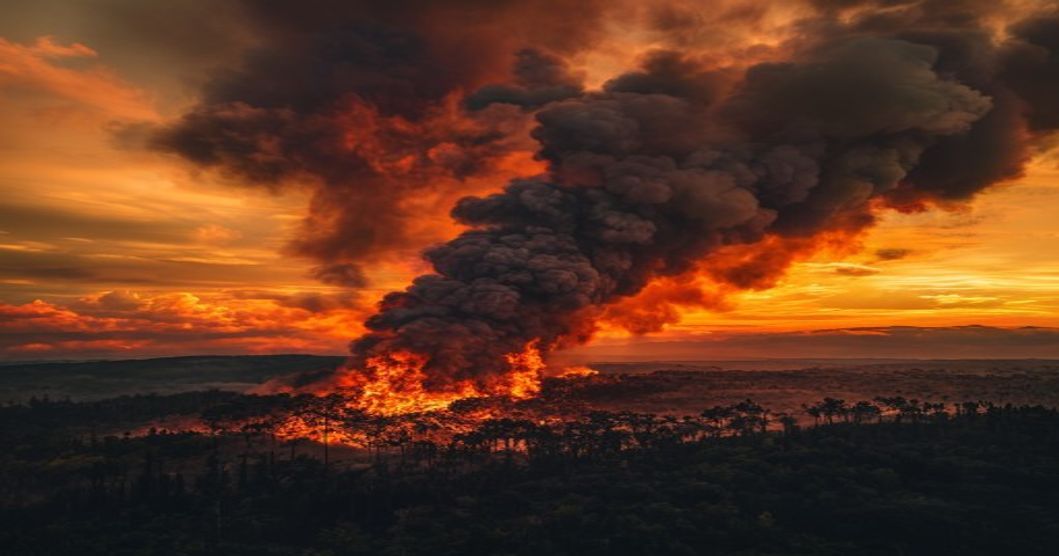
## Introduction A ominous orange haze now blankets parts of Europe, a stark and terrifying visual testament to the escalating climate crisis. Across Portugal, Spain, and Greece, vast swathes of land are succumbing to raging wildfires, forcing mass evacuations and threatening vital ecosystems. This isn't merely a series of isolated incidents. These infernos are the direct consequence of a brutally hot summer, marked by heatwaves so intense they would have been "virtually impossible" without the pervasive influence of climate change.
The World Weather Attribution group’s sobering assessment underscores a critical truth: our planet is sending an undeniable distress signal. From the sun-baked hills of the Iberian Peninsula to the ancient forests of Greece, communities are grappling with an unfolding environmental catastrophe. The smoke chokes the air, the flames consume everything in their path, and the future feels increasingly uncertain. This isn't just about lost landscapes; it's about lives, livelihoods, and the very fabric of our natural world.
This article delves into the heart of Europe's blazing crisis, exploring its causes, profound impacts, and the urgent, collective action required to mitigate its devastating toll. We must understand the forces at play to forge a path towards resilience and recovery. ## Why this matters The current wave of **European wildfires** represents more than just a seasonal threat; it signifies a dangerous acceleration of climate change impacts. These fires are not only destroying natural habitats but also directly endangering human lives, homes, and critical infrastructure across multiple nations.
Beyond immediate devastation, the pervasive smoke from these **catastrophic wildfires** carries significant health implications. Toxic particles drift across borders, impacting air quality for millions and exacerbating respiratory and cardiovascular conditions, particularly among vulnerable populations. The long-term ecological and economic repercussions are staggering. Years, if not decades, will be required for affected regions to recover their biodiversity and rebuild their local economies.
This continuous cycle of destruction places immense strain on national resources and global climate action efforts. Understanding and addressing these recurring disasters is paramount. They serve as potent reminders that the climate crisis is not a distant threat but a present, tangible reality demanding immediate, decisive, and coordinated global responses. The scale of the challenge demands our unwavering attention.
## What happened Summer 2023 descended upon Europe with an unprecedented ferocity, unleashing a series of record-breaking heatwaves that gripped the continent. Temperatures soared past historical averages, baking the land and turning once verdant landscapes into tinderboxes ready to ignite with the smallest spark. In Portugal and Spain, conditions became ripe for ignition, leading to numerous simultaneous outbreaks of wildfires. The combination of prolonged drought, high temperatures, and strong winds created a perfect storm, allowing fires to spread rapidly and become uncontrollable in many areas.
Greece, too, found itself embroiled in a similar battle, with authorities issuing urgent warnings about toxic smoke as fires neared urban centers. Thousands of residents and tourists were forced to evacuate, scrambling to safety as flames encroached upon their homes and holiday destinations. These blazes emerged shortly after a devastating June heatwave, during which **thousands of excess deaths were registered** across Europe. This direct link between extreme heat and mortality underscores the immediate human cost of a warming planet, even before the fires begin their destructive march.
## Scientific explanation The scientific community has unequivocally linked the severity and frequency of these **European wildfires** to human-induced climate change. The **World Weather Attribution group** stated that the June heatwave, a primary catalyst for the fires, would have been "virtually impossible" without climate change. Atmospheric greenhouse gas concentrations, primarily carbon dioxide from fossil fuel combustion, trap heat, leading to a global rise in temperatures. This warming trend manifests as more intense and prolonged heatwaves, creating drier conditions and increasing the likelihood of fire ignition and rapid spread.
Furthermore, altered precipitation patterns contribute to the problem. Many regions are experiencing longer dry spells, depleting soil moisture and vegetation. When rain does fall, it can be intense, leading to flash floods but doing little to alleviate the deep-seated drought conditions. Vegetation, dehydrated by persistent heat, becomes highly flammable fuel for wildfires.
Even natural occurrences like lightning strikes, or human factors like accidental sparks, can quickly escalate into devastating infernos under these extreme climatic conditions. The underlying science is clear: we are fueling these fires. ## Environmental impact The environmental devastation wrought by **catastrophic European wildfires** is profound and multifaceted. Immediate impacts include the wholesale destruction of forests, shrublands, and agricultural areas, wiping out critical habitats for countless species, from insects to large mammals.
Biodiversity loss is a critical concern. Many species, particularly those with limited mobility or specialized habitat requirements, cannot escape the flames. The loss of keystone species can disrupt entire ecosystems, potentially leading to cascading effects that alter the landscape for generations. Air quality suffers immensely as vast plumes of smoke, laden with particulate matter, carbon monoxide, and other noxious gases, are released into the atmosphere.
This pollution travels hundreds of kilometers, affecting distant communities and contributing to regional haze and respiratory illnesses. Soil degradation is another significant consequence. High-intensity fires sterilize the soil, destroy organic matter, and increase its susceptibility to erosion. Post-fire landscapes are vulnerable to landslides and flooding, particularly during subsequent heavy rains, further hindering ecological recovery and increasing the risk of desertification.
## Economic impact The economic toll of **European wildfires** extends far beyond the immediate costs of firefighting and emergency response. Agricultural sectors, a cornerstone of many affected regions, suffer immense losses as crops, vineyards, and livestock are destroyed, impacting local farmers' livelihoods. Tourism, a vital industry in countries like Portugal, Spain, and Greece, faces significant disruption. Evacuations, travel advisories, and the visual impact of scorched landscapes deter visitors, leading to substantial revenue losses for hotels, restaurants, and related businesses during peak seasons.
Infrastructure damage is another major economic burden. Homes, businesses, power lines, and transportation networks are frequently destroyed or severely damaged, requiring massive investments in rebuilding and repairs. This can strain local and national budgets for years. Indirect economic costs include healthcare expenditures for treating smoke-related illnesses, loss of productivity due to evacuations and poor air quality, and the long-term impacts on property values.
The cumulative effect can cripple regional economies, exacerbating existing social inequalities and slowing recovery efforts. ## Global perspective The **European wildfires** are not an isolated phenomenon but part of a disturbing global trend of increasing wildfire activity linked to climate change. From the Amazon rainforest to California, Australia, and Siberia, intense fires are becoming more frequent, larger, and harder to control. This global pattern underscores the interconnectedness of our planet's climate systems.
Emissions generated in one part of the world contribute to warming trends that fuel extreme weather events, including heatwaves and droughts, in distant regions. The smoke from these massive blazes, particularly when they reach stratospheric levels, can have global climatic impacts. It can alter atmospheric circulation patterns, temporarily cool or warm certain regions, and even affect rainfall far from the source. Furthermore, the destruction of carbon-storing ecosystems like forests releases vast amounts of stored carbon back into the atmosphere, creating a dangerous feedback loop.
This exacerbates global warming, which in turn creates conditions for more fires, accelerating the climate crisis on a planetary scale. ## Solutions Addressing the escalating threat of **European wildfires** requires a multi-pronged approach encompassing both mitigation of climate change and adaptation strategies for living with its impacts. There is no single silver bullet, but rather a combination of interconnected actions. At the core, **drastic reductions in greenhouse gas emissions** are paramount.
This involves a rapid global transition away from fossil fuels towards renewable energy sources like solar and wind power. Investing in energy efficiency and sustainable transportation is also critical. Beyond emissions cuts, better forest management practices are essential. This includes controlled burns, strategic thinning of dense undergrowth, and creating firebreaks to reduce fuel loads.
These proactive measures can help prevent small ignitions from becoming unstoppable infernos. Early detection and rapid response systems are also key. Utilizing satellite monitoring, drones, and ground-based sensors can identify fires quicker, allowing firefighters to deploy resources more effectively before blazes spiral out of control. Preparedness saves lives and ecosystems.
Finally, public awareness campaigns play a crucial role. Educating communities about fire safety, responsible land use, and the dangers of extreme heat can significantly reduce human-caused ignitions and foster greater resilience in fire-prone regions. Collective vigilance is vital. ## What governments can do Governments must take decisive action to confront the **European wildfires** crisis, beginning with robust climate policies that align with the Paris Agreement's goals.
This includes setting ambitious national emission reduction targets and implementing concrete strategies to achieve them. Investing heavily in renewable energy infrastructure is crucial. This means phasing out coal, oil, and gas subsidies and redirecting funds towards solar, wind, and geothermal projects. Governments can also incentivize industries and households to adopt cleaner energy solutions.
Furthermore, national and regional governments need to allocate increased funding for fire prevention and management. This entails bolstering firefighting agencies, investing in advanced equipment, and developing comprehensive, cross-border strategies for managing large-scale fire events. Developing and enforcing stricter land-use planning regulations are also essential. This includes creating buffer zones between residential areas and wildlands, discouraging construction in high-risk zones, and promoting fire-resistant building materials and landscaping practices.
Finally, governments must strengthen social safety nets and provide robust support for affected communities. This includes financial assistance for rebuilding, mental health services for trauma, and long-term economic development plans to help regions recover and adapt to future climate challenges. ## What individuals can do While systemic change is crucial, individuals also have a significant role to play in mitigating the risks and impacts of **European wildfires**. Our collective actions, however small, contribute to a larger movement towards climate resilience and environmental stewardship.
Reducing your personal carbon footprint is a powerful first step. This involves choosing sustainable transportation options, conserving energy at home, supporting renewable energy providers, and opting for a plant-rich diet to lower emissions associated with food production. For those living in or near fire-prone areas, creating defensible space around homes is paramount. This includes clearing dry vegetation, removing flammable materials, and maintaining a well-irrigated landscape.
Being prepared for evacuation also saves lives. Supporting environmental organizations that focus on forest conservation, wildfire prevention, and climate advocacy is another impactful way to contribute. These groups often drive crucial research, policy change, and on-the-ground restoration efforts. Your voice and resources matter.
Engaging in local community efforts, such as fire watch programs or neighborhood clean-up initiatives, can also make a difference. Spreading awareness about responsible outdoor practices, like proper campfire safety, directly reduces human-caused ignitions. Every action counts in safeguarding our future. ## Key Takeaways * **European wildfires** are a direct and severe consequence of **climate change-fueled heatwaves**, deemed "virtually impossible" without human impact.
* The blazes cause **widespread environmental destruction**, including biodiversity loss, habitat destruction, and significant air pollution through toxic smoke. * Economically, these fires inflict **massive losses** on agriculture, tourism, and infrastructure, straining national budgets and impacting livelihoods across affected regions. * The phenomenon is part of a **global increase in wildfire intensity and frequency**, highlighting the interconnectedness of climate impacts worldwide. * **Effective solutions** require both aggressive climate change mitigation through emission reductions and robust adaptation strategies like improved forest management and early warning systems.
* **Governments must implement strong climate policies**, invest in renewables, enhance fire prevention capabilities, and support affected communities with long-term recovery plans. * **Individuals can contribute** by reducing their carbon footprint, preparing homes in high-risk areas, supporting environmental advocacy, and practicing fire safety. ## Conclusion The relentless assault of **European wildfires** serves as a stark, fiery warning from a planet under immense stress. These aren't just natural disasters; they are vivid manifestations of a rapidly accelerating climate crisis, fueled by human activity and demanding an equally swift and comprehensive response.
The link between **extreme heatwaves** and the infernos raging across Portugal, Spain, and Greece is undeniable, etched into the scorched earth and the choking smoke. We have seen the devastating costs: lives lost, homes destroyed, ecosystems decimated, and economies crippled. The sheer scale of destruction, coupled with the long-term health implications from toxic smoke, paints a grim picture of a future we must urgently avert. The scientific consensus is clear, and the calls for action grow louder with every passing ember.
Moving forward requires an unprecedented level of global cooperation and individual responsibility. From governments enacting ambitious climate policies and investing in resilient infrastructure to individuals making conscious choices to reduce their carbon footprint and prepare for local risks, every effort counts. The fight against **catastrophic wildfires** is intrinsically linked to the larger battle against climate change itself. The time for debate is over; the time for decisive action is now.
We must collectively transition towards a sustainable future, one where healthy forests thrive, communities are protected, and the skies are clear of toxic smoke. Only through concerted, immediate, and sustained efforts can we hope to restore balance to our environment and ensure a safer, cooler future for generations to come.