Climate Change
Delhi's Parched Future: Heatwaves Strain its Water Lifelines
How India's capital city grapples with escalating water scarcity as record temperatures intensify demand and deplete critical reserves.
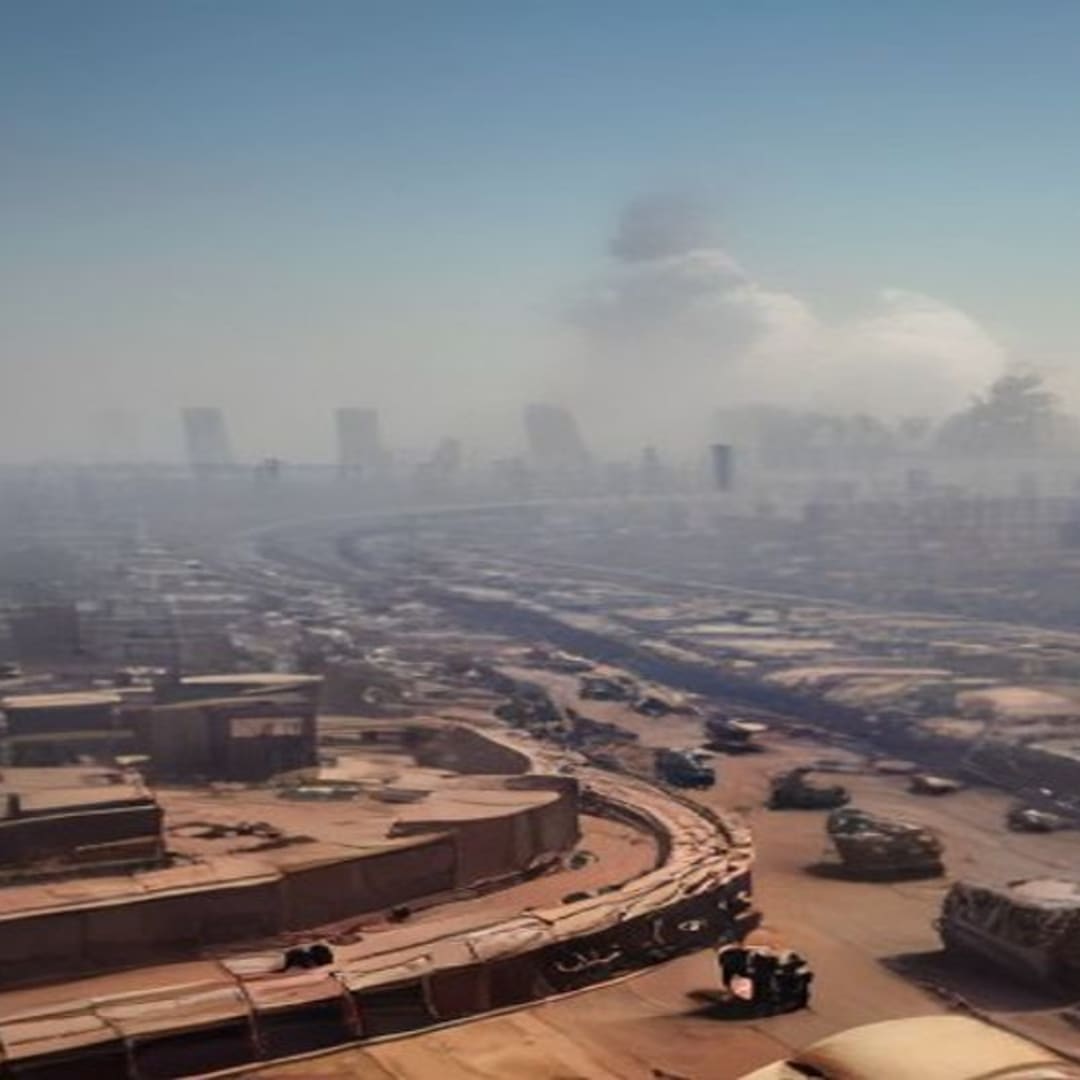
August 16, 2026 – The scorching sun beat down relentlessly on Mrs. Kavita Sharma’s small tenement in Delhi’s Sultanpuri area. It was 3 PM, and the mercury had already crossed a blistering 43 degrees Celsius, just another day in what has become India’s longest and most intense summer on record. For Kavita, the heat was more than just discomfort; it was a constant, gnawing anxiety.
The municipal water tanker, her only reliable source of water for days, was late again. "Without water, how can we even think of cooling ourselves? " she sighed, fanning herself with a tattered newspaper. "It’s a luxury for us now.
Even basic survival is a fight. " Kavita’s struggle is a stark microcosm of a crisis unfolding across India’s capital: the relentless march of climate change, manifested through unprecedented heatwaves, is drying up Delhi’s lifelines, pushing its already stressed water infrastructure to the breaking point. The interplay between soaring temperatures and chronic water scarcity isn't just an inconvenience; it's a profound threat to public health, urban equity, and the very fabric of daily life for millions. ## The Heat's Thirsty Grip on Delhi Delhi, a city of over 20 million, is no stranger to summer heat.
But 2026 has been different. Record-breaking temperatures, often peaking above 45°C for extended periods, have amplified the city's inherent water challenges. This isn't just about feeling hotter; it's about a fundamental disruption of the water cycle. Every degree rise in temperature accelerates evaporation from critical surface water sources like the Yamuna River and the Wazirabad pond, which are vital components of Delhi's water supply.
The already diminished flow of the Yamuna, a consequence of erratic monsoons upstream and increasing pollution, becomes even more precarious under a blazing sun. Furthermore, the intense heat triggers a massive surge in water demand. Households require more water for drinking, bathing, and cooling. Industries, too, escalate their water usage.
The Delhi Jal Board (DJB), the city’s primary water utility, estimates that peak summer demand can surge by 20-30% compared to cooler months, pushing the city's overall daily requirement well past its current supply capacity. While the DJB aims to supply around 900 Million Gallons per Day (MGD), the actual demand often hovers around 1200 MGD, creating a perpetual deficit that the heat only exacerbates. ## Delhi Jal Board Under Unprecedented Pressure Delhi’s water infrastructure, a complex network of canals, treatment plants, pumping stations, and pipelines, is struggling to keep pace. Built over decades, much of it is aging and prone to leaks, with some estimates suggesting that up to 40% of treated water is lost before it reaches consumers.
The extreme heat compounds these vulnerabilities: * **Infrastructure Stress:** Elevated ground temperatures can cause thermal expansion and contraction in pipelines, leading to increased bursts and leaks, further depleting an already scarce resource. * **Energy Demands:** Pumping water across a vast metropolis requires enormous amounts of electricity. Heatwaves place immense strain on the power grid, leading to outages that can disrupt pumping stations and water treatment plants, bringing supply to a halt in affected areas. * **Water Quality Concerns:** Reduced flow and higher temperatures in the Yamuna can concentrate pollutants, making treatment more challenging and costly.
Stagnant water in distribution lines during periods of low pressure can also become breeding grounds for bacteria, posing significant health risks. As DJB engineers work tirelessly to maintain supply, they face a formidable task. The reliance on water tankers in many areas, a visible symbol of inadequate piped supply, increases manifold during these heat-stressed months, leading to long queues, social friction, and an inequitable distribution of this essential resource. ## The Human Cost: A Crisis of Equity and Health The impact of this heat-water nexus is far from uniform.
It is the city’s most vulnerable populations – residents of informal settlements, daily wage earners, and those living in peripheral areas – who bear the brunt. For them, securing water becomes an arduous daily chore, consuming hours that could otherwise be spent on work or education. Women and children are disproportionately affected, often tasked with fetching and storing water, exposing them to both the heat and potential safety risks. The health implications are severe.
Dehydration and heatstroke are direct consequences of insufficient water intake and inability to cool down. Moreover, when clean, piped water is unavailable, communities often resort to unsafe alternatives, increasing the risk of waterborne diseases like cholera, typhoid, and dysentery. Public health officials have noted a worrying uptick in such cases during Delhi’s recent heatwaves, placing additional burden on already stretched healthcare facilities. The lack of adequate water for sanitation and hygiene further compounds these health risks, especially in densely populated areas.
## Beyond Band-Aids: Pathways to Resilience Addressing Delhi’s twin crises of heat and water demands a multi-pronged, integrated strategy that moves beyond reactive measures to proactive climate resilience. Several critical pathways must be pursued: * **Climate-Resilient Urban Planning:** Delhi must invest heavily in green infrastructure. Expanding urban forests, parks, and green spaces not only helps reduce the urban heat island effect but also enhances groundwater recharge. Implementing cool roof technologies and encouraging permeable pavements can further mitigate heat and allow rainwater to seep into the ground, replenishing aquifers.
* **Aggressive Water Conservation and Demand Management:** Public awareness campaigns promoting judicious water use are crucial. Smart metering, incentivizing water-efficient appliances, and stricter enforcement against water wastage in residential, commercial, and industrial sectors can significantly reduce demand. The 'Jal Jeevan Mission Urban' can be leveraged to drive these changes. * **Wastewater Treatment and Reuse:** Expanding and modernizing Delhi’s Sewage Treatment Plants (STPs) is paramount.
Treated wastewater, which currently often ends up polluting the Yamuna, can be a valuable resource for non-potable uses such as irrigation for parks, industrial processes, and construction, thereby reducing pressure on fresh water sources. The Delhi government's commitment to treating 100% of its wastewater needs to translate into accelerated action and robust infrastructure. * **Rainwater Harvesting (RWH):** Despite mandates, RWH implementation remains patchy. Stricter enforcement, coupled with technical and financial support for both individual households and large institutions, is essential to capture precious monsoon runoff and replenish groundwater levels across the city.
* **Yamuna Rejuvenation and Inter-State Cooperation:** The health of the Yamuna is inextricably linked to Delhi's water security. Comprehensive efforts to control pollution, maintain environmental flows, and resolve inter-state water sharing disputes are critical. A basin-wide approach involving riparian states is indispensable. * **Infrastructure Upgrade and Leak Detection:** Modernizing the DJB’s aging network with advanced leak detection technologies, replacing old pipes, and improving distribution efficiency can significantly reduce systemic water losses.
## A Future Defined by Water and Heat Delhi stands at a critical juncture. The escalating frequency and intensity of heatwaves are no longer isolated events; they are a grim indicator of a rapidly changing climate. The city's ability to ensure water security for all its residents in this warming world will define its future. This calls for a paradigm shift – from viewing water as an endless commodity to a finite resource that requires careful stewardship, integrated planning, and collective action.
For millions like Kavita Sharma, the promise of a liveable future in Delhi hinges on whether its leaders and citizens can come together to forge resilient water systems capable of withstanding the relentless heat. It's a fight not just for comfort, but for dignity, health, and survival itself.