Climate Change
Deep-Sea Microplastics: Shattering the Illusion of Pristine Oceans
From Mumbai's Shores to the Abyss: How Tiny Plastic Fragments Threaten Earth's Most Remote Ecosystems and Our Future
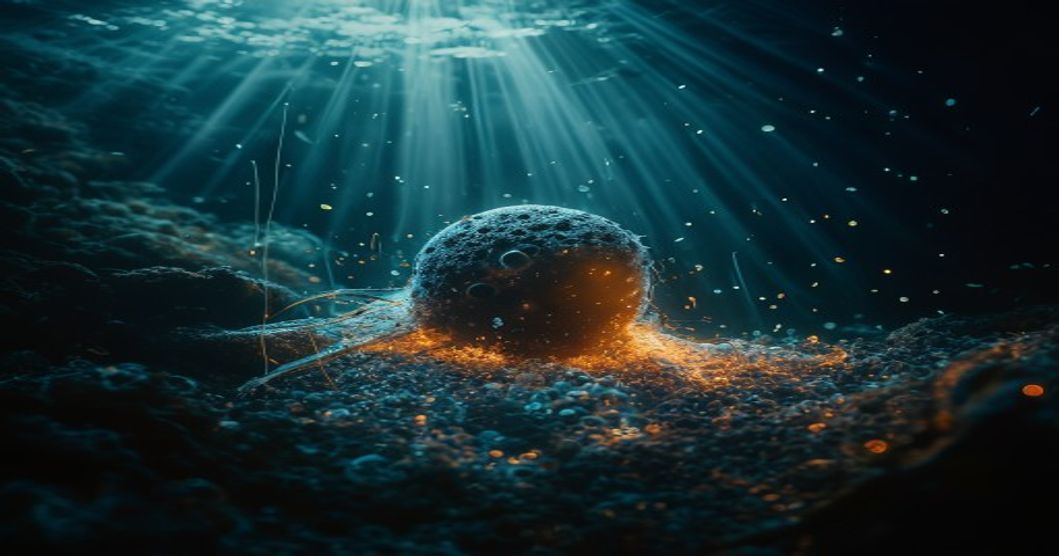
July 25, 2026. For generations, the deep ocean has represented the last frontier, a realm of untouched mystery and pristine wilderness. We imagined its abyssal plains and hydrothermal vents as sanctuaries, far removed from the destructive reach of human activity. But that illusion, dear Environment Warrior, has been irrevocably shattered.
Recent scientific revelations have confirmed what many feared: our plastic addiction has permeated even the most remote and seemingly inaccessible corners of our planet. Microplastics, the insidious fragments of our disposable culture, are now pervasive in the deep sea, threatening ecosystems we barely understand and, ultimately, the very fabric of our global food web. ## The Invisible Threat: A Global Crisis Plastic pollution is not a new enemy. An estimated 11 million tons of plastic choke our oceans every single year.
While much attention has rightly focused on visible debris – the floating islands of plastic, the entangled marine life – the true silent killer is far smaller. Microplastics, defined as plastic particles smaller than five millimeters, are the result of larger plastic items breaking down over time due to sun, waves, and friction. These minuscule fragments, often invisible to the naked eye, are now ubiquitous, from the Arctic ice to the deepest oceanic trenches. They are a pervasive threat, silently infiltrating every level of the marine environment.
## Deep-Sea Revelation: A Shocking Discovery The scale of this infiltration was brought into stark relief by groundbreaking research. Scientists, venturing 2,000 meters below the ocean's surface, made a truly alarming discovery: microplastics were found in a staggering 92% of deep-sea animals examined. This isn't just about a few stray particles; it's about systemic contamination of an ecosystem previously thought to be isolated from human impact. These findings challenge the long-held belief that the deep ocean remains pristine, exposing a new, critical vulnerability in Earth's most remote environments.
The implications are profound, suggesting that no corner of our planet is safe from the plastic plague. ## The Perilous Journey to the Abyss How do these tiny fragments reach such incredible depths? It's a complex journey. Ocean currents act as vast conveyor belts, transporting microplastics across vast distances.
Once in the water column, microplastics can sink due to their density, accumulate on marine snow, or be ingested by organisms in shallower waters that then excrete them or die and sink to the bottom. A recent study tracing the voyage of a plastic bottle cap recovered near southern Japan offered a fascinating, albeit troubling, glimpse into this transport mechanism. Researchers found 307 organisms, including a polychaete worm not native to Japanese waters, hitchhiking on the cap. This highlights how plastic debris doesn't just transport pollution; it can also facilitate the spread of invasive species, further disrupting delicate marine biodiversity and ecosystems far from their origin.
## Impact on Marine Life and the Food Web The presence of microplastics in the deep sea poses a multi-faceted threat to marine life. When deep-sea creatures ingest these particles, it can lead to physical harm – internal abrasions, blockages in their digestive systems, and a false sense of satiation that leads to starvation. Beyond the physical, there's a chemical dimension. Plastics are often laden with toxic additives, such as phthalates and bisphenol A (BPA), which can leach into the organisms, disrupting their endocrine systems, growth, and reproduction.
The most alarming aspect, however, is the potential for bioaccumulation and biomagnification. As microplastics move up the food chain – from plankton to small fish, then to larger predators – the concentration of plastic and its associated toxins increases. This process, if unchecked, could ultimately compromise the health of entire marine populations, including commercially important fish species, and eventually, enter the human food chain through the seafood we consume. ## The Human Connection: It Comes Back to Us The deep ocean might seem distant, but its fate is inextricably linked to ours.
The same microplastics found in abyssal creatures are now being detected in our seafood, our drinking water, even the air we breathe. While the long-term health effects on humans are still being researched, the potential for harm is undeniable. This isn't just an environmental crisis; it's a public health crisis in the making. The realization that plastic pollution is not merely a surface-level problem but has infiltrated the very foundations of marine ecosystems should serve as a powerful wake-up call.
## Detecting the Invisible: Scientific Frontiers Detecting these minute plastic fragments, especially in the vastness of the ocean, is an immense scientific challenge. Euronews Tech Talks recently visited the Flanders Marine Institute, highlighting the sophisticated techniques scientists are developing to identify and quantify marine microplastics. These efforts are crucial for understanding the full extent of the problem, mapping their distribution, and assessing their impact. Without precise data, effective solutions remain elusive.
The scientific community is working tirelessly to shine a light on this invisible threat, providing the critical knowledge needed to guide policy and intervention. ## Turning the Tide: A Call to Action Given the pervasive nature of microplastics, can this problem be solved for good? The answer lies in a multi-pronged approach, starting with prevention at the source. As we observe Plastic Free July 2026, it's a stark reminder of the urgent need for action.
First and foremost, we must drastically reduce the production and consumption of single-use plastics. The New York State Legislature's failure to pass the Packaging Reduction and Recycling Infrastructure Act before adjourning is a missed opportunity, highlighting the critical need for robust legislation at both state and federal levels to curb plastic production and ban toxic chemicals in packaging. Such acts are not just about waste management; they are about public health and ecosystem protection. Secondly, we need vastly improved waste management infrastructure, particularly in rapidly developing coastal nations like India, where much of the plastic entering the ocean originates.
Non-profits like The Ocean Cleanup are making significant strides by focusing on stopping plastic before it reaches the sea, employing innovative technologies to intercept trash-clogged waterways, as seen in their latest efforts targeting Mumbai. These upstream interventions are crucial. Thirdly, innovation in sustainable materials and circular economy models must be accelerated. Companies and governments need to invest in alternatives that are truly biodegradable or endlessly recyclable.
Finally, individual action remains vital. Our choices as consumers – reducing plastic consumption, reusing items, supporting plastic-free initiatives, and advocating for stronger policies – collectively create a powerful ripple effect. Every plastic bottle avoided, every single-use item refused, contributes to stemming the tide. ## Conclusion The discovery of microplastics in the deep ocean is a grim testament to humanity's indelible mark on Earth.
It shatters the myth of untouched wilderness and underscores the interconnectedness of all ecosystems. The deep sea, once a symbol of the unknown, is now a stark mirror reflecting our unsustainable consumption patterns. As Environment Warriors, we must confront this reality with unwavering resolve. The fight against plastic pollution is not just about cleaning up our beaches; it's about safeguarding the very foundations of marine life, preserving the health of our planet, and ensuring a sustainable future for all.
The time for decisive action is now. Let us work together to heal our oceans and reclaim the pristine wilderness we once believed existed, even in the deepest abyss.