Climate Change
Chennai's Chemical Chokehold: Industrial Emissions and Rising Heat Trap Ennore-Manali
In Chennai's industrial heartland, communities face a brutal synergy of toxic air and relentless heat, demanding urgent intervention.
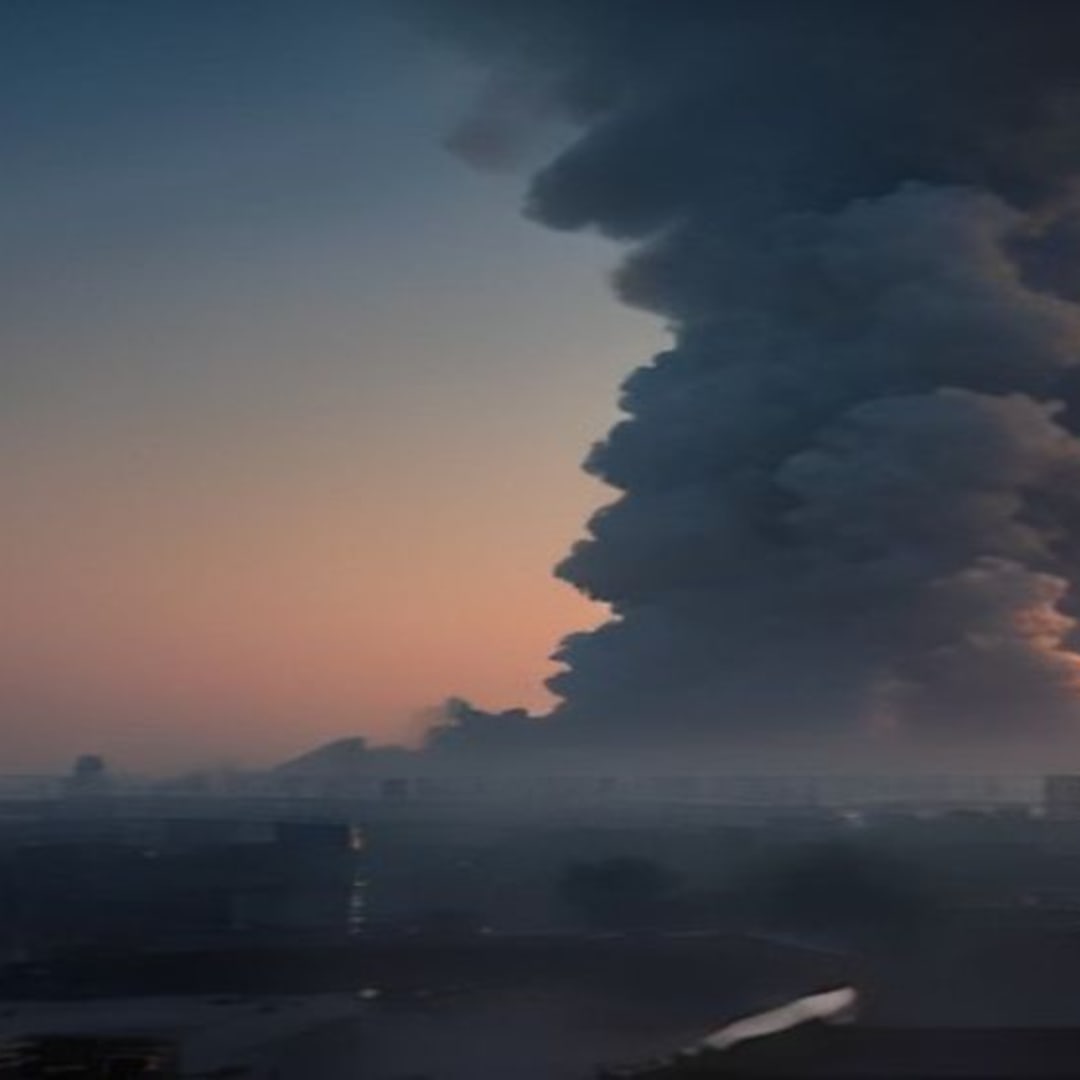
The air in north Chennai often carries a metallic tang, a heavy, acrid breath that settles deep in the lungs. For residents of the Ennore-Manali industrial belt, this isn't just a fleeting discomfort; it's a constant, suffocating reality. Day in and day out, they live amidst the churning machinery of oil refineries, thermal power plants, petrochemical units, and fertilizer factories. Today, on 10 September 2026, as India grapples with record temperatures and cities report dangerous air quality, Ennore-Manali stands as a stark testament to a dual environmental injustice: communities simultaneously choked by industrial smog and baked by relentless heat.
### Life in the Shadow of Stacks Walk through areas like Ernavur, Athipattu, or Sadayankuppam, and the landscape tells a story of industry's relentless march. Towering chimneys punctuate the skyline, their plumes often a tell-tale sign of ongoing operations. For generations, these communities have coexisted with heavy industry, their lives intertwined with the factories that promise jobs but deliver a poisoned environment. While official narratives often focus on metropolitan Chennai's bustling economy and cultural vibrancy, the industrial north exists in a parallel, harsher reality.
Here, the struggle is not just for economic survival but for the very right to breathe clean air and live in a healthy environment. Mrs. Kamala, a 62-year-old resident of Ernavur, recalls a time when the sea breeze felt fresh, even with the factories humming in the distance. “Now,” she sighs, wiping sweat from her brow, “the air is thick, like a blanket.
And the heat… it never leaves. My grandchildren cough all the time, and my own breathing is heavy. ” Her testimony echoes the experiences of thousands who call this heavily polluted and climate-vulnerable region home. The **Ennore-Manali region, strategically located along the coast**, is a critical industrial hub for Tamil Nadu, but its rapid industrialization has come at a steep environmental and human cost.
### The Deadly Dance: Heat and Haze India's climate crisis, marked by escalating temperatures and erratic weather patterns, has amplified the existing air pollution challenge in urban and industrial centers. In Ennore-Manali, this synergy is particularly lethal. Rising temperatures don't just make the heat unbearable; they worsen air quality in several ways: 1. **Increased Ozone Formation**: Higher temperatures accelerate chemical reactions between pollutants like nitrogen oxides (NOx) and volatile organic compounds (VOCs) – prevalent emissions from industrial processes – leading to increased ground-level ozone formation.
Ozone is a potent respiratory irritant. 2. **Stagnant Air Conditions**: Heatwaves are often associated with stagnant atmospheric conditions, trapping pollutants closer to the ground and preventing their dispersal. This leads to higher concentrations of particulate matter (PM2.
5, PM10) and other toxic gases. 3. **Exacerbated Health Impacts**: The human body is already under immense stress from high temperatures. When combined with elevated levels of air pollutants, the strain on respiratory and cardiovascular systems intensifies dramatically.
Heat stress and toxic air act as a one-two punch, especially for vulnerable populations like children, the elderly, and those with pre-existing conditions. Data from independent monitoring initiatives and environmental groups like the **Community Environmental Monitoring (CEM) project** have consistently shown that air quality in Ennore-Manali regularly exceeds the safe limits set by the Central Pollution Control Board. Levels of particulate matter, sulfur dioxide (SO2), and nitrogen dioxide (NO2) often spike, particularly during specific industrial cycles or adverse weather conditions. These are not just numbers; they represent increased hospital visits, chronic illnesses, and premature deaths in the surrounding communities.
### A Compromised Public Health Landscape For years, residents have reported a litany of health issues: chronic coughs, asthma, bronchitis, skin irritations, and even higher incidences of certain cancers. Children are particularly susceptible, their developing lungs bearing the brunt of the toxic cocktail. Schools in the vicinity often report increased absenteeism during peak pollution days, and local health clinics are overwhelmed with patients seeking relief from respiratory distress, especially during the hotter months. “We see children coming in with severe asthma attacks that are clearly triggered by the bad air,” says Dr.
Ganesh, a general practitioner in a nearby settlement. “And with the extreme heat, their bodies are already struggling to regulate. It’s a vicious cycle where each problem intensifies the other. We need long-term solutions, not just symptomatic relief.
” This dire health situation places an immense burden on families, leading to lost wages, increased medical expenses, and a diminished quality of life. It’s a silent erosion of well-being, often overshadowed by the region's industrial output and contributions to the state's economy. ### The Regulatory Maze and Its Gaps Despite the clear evidence of environmental degradation and public health crisis, effective regulation and enforcement remain a persistent challenge. The **Tamil Nadu Pollution Control Board (TNPCB)** is tasked with monitoring industrial emissions and ensuring compliance.
However, critics argue that the TNPCB’s oversight has been inadequate, with many industries reportedly operating with outdated technology, insufficient pollution control measures, and often, without strict adherence to environmental clearances. While India has robust environmental laws and initiatives like the National Clean Air Programme (NCAP) aim to reduce particulate matter concentration by 20-30% by 2024 (from 2017 levels), the ground reality in places like Ennore-Manali highlights significant implementation gaps. The NCAP's focus on non-attainment cities is crucial, but specific industrial clusters often require targeted, stringent measures that go beyond general city-wide strategies. Furthermore, the enforcement arm often lacks the resources, political will, or transparent mechanisms to hold powerful industrial players fully accountable.
Public disclosure of emissions data is often opaque, making it difficult for communities and civil society organizations to accurately assess the extent of pollution and pressure for change. The environmental impact assessments (EIAs) for new projects or expansions are frequently criticized for lacking thoroughness and independent scrutiny, further compromising the environmental integrity of the region. ### Community Voices and the Path Forward Yet, amidst the pollution and the policy vacuum, the spirit of resistance and demand for environmental justice remains strong. Local environmental groups and community activists, like those associated with the **Save Ennore Creek Campaign**, have been instrumental in bringing these issues to the forefront.
They organize protests, file petitions, and engage in citizen science, meticulously documenting pollution incidents and health impacts. Their unwavering commitment offers a beacon of hope, pushing for greater transparency and accountability from industries and regulatory bodies alike. Addressing the dual affliction of industrial pollution and rising heat in Ennore-Manali requires a multi-pronged, urgent strategy: * **Stringent Emission Controls**: Industries must be mandated to adopt the best available pollution control technologies, with strict, real-time monitoring and heavy penalties for non-compliance. Emissions standards for SO2, NOx, and particulate matter must be regularly reviewed and tightened.
* **Integrated Urban and Industrial Planning**: Future industrial development must be carefully planned, ensuring adequate buffer zones between industrial areas and residential settlements. Existing communities require relocation or substantial mitigation measures. * **Robust Public Health Interventions**: Regular, accessible health camps, free medical aid, and specialized treatment for pollution-related illnesses are critical. Long-term epidemiological studies are needed to quantify the health burden accurately.
* **Transparent Data and Participatory Governance**: Real-time, publicly accessible data on industrial emissions and ambient air quality is essential. Communities must be included in decision-making processes, from EIA reviews to policy formulation and monitoring. * **Green Infrastructure**: Investing in green belts, urban forests, and water bodies can help mitigate both heat and air pollution, offering some respite to the urban environment. * **Just Transition**: For communities whose livelihoods are tied to polluting industries, a long-term plan for a just transition to cleaner, sustainable economic alternatives is necessary, ensuring no one is left behind in the shift towards a greener economy.
Ennore-Manali's predicament is a microcosm of India's broader environmental challenges. It's a poignant reminder that while the nation marches towards economic growth, the cost cannot be borne by its most vulnerable citizens, especially when the combined forces of unchecked industrial emissions and a warming planet threaten their very existence. The calls for cleaner air and cooler days from Chennai’s industrial heartland are not just local pleas; they are an urgent demand for environmental justice that India, as an "Environment Warrior," must heed with immediate, decisive action. The time for change in Ennore-Manali is not tomorrow, but now.