Climate Change
Cauvery's Climate Challenge: Bengaluru's Battle for Every Drop
As temperatures soar and monsoons falter, India's tech hub faces a critical test: securing its essential water supply against an unpredictable climate future.
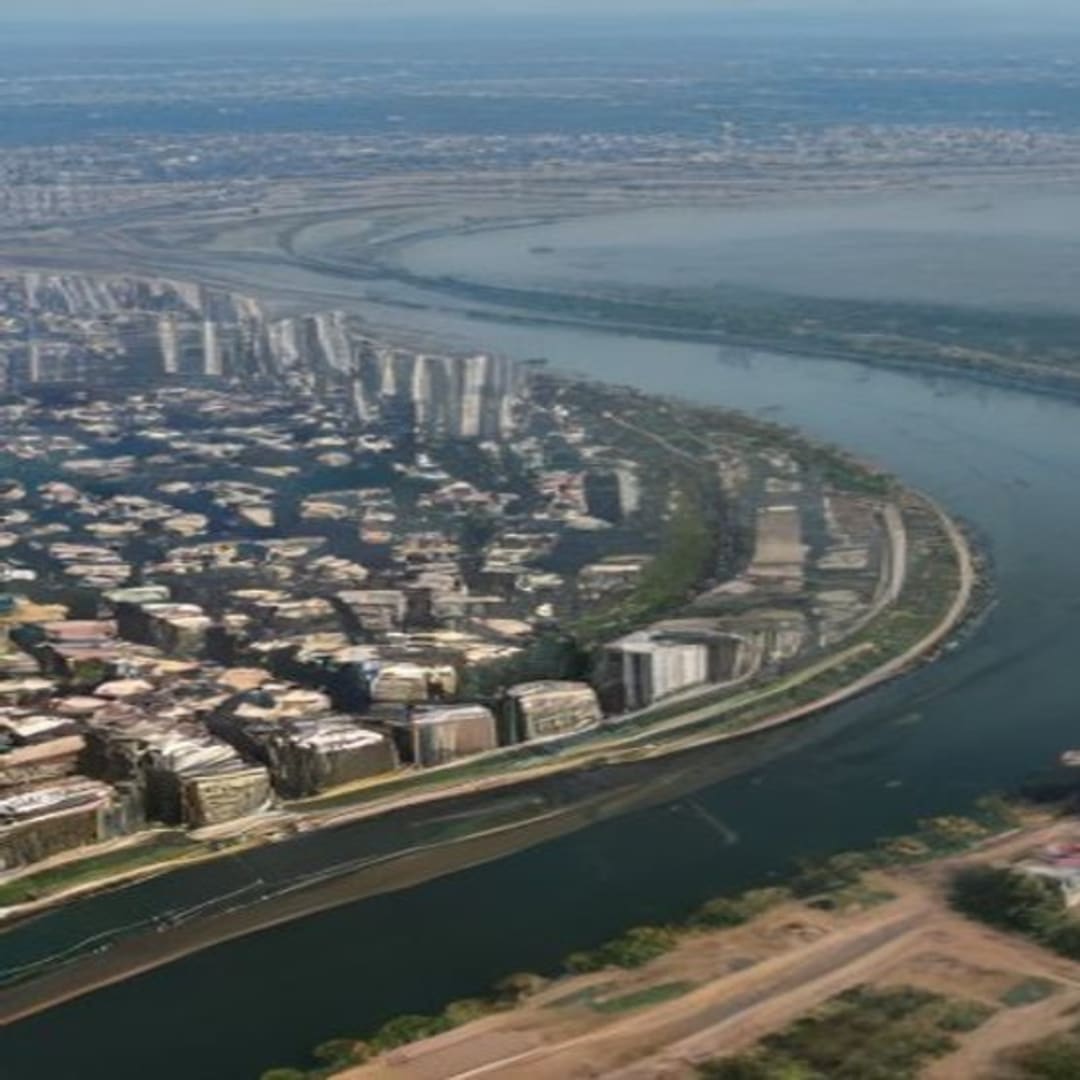
The rhythmic hum of generators has become an unwelcome soundtrack in many Bengaluru neighbourhoods. It’s 11 October 2026, and the city, often hailed as India’s Silicon Valley, finds itself grappling with a crisis far more existential than traffic jams or power outages: a profound, climate-exacerbated water scarcity. For Ms. Radha Kumar, a software engineer living in Marathahalli, the morning routine now begins not with coffee, but with a frantic check of the water tank levels.
"Some days, there's just a trickle. The borewell has gone dry twice this year, and the tanker rates have skyrocketed," she laments, the exhaustion evident in her voice. "We're living in a city that prides itself on innovation, yet we can't even guarantee basic water. " Radha's experience is a microcosm of a larger, more menacing reality unfolding across Bengaluru – a reality where the lifeblood of a megacity is being slowly choked by a warming planet and erratic weather patterns.
## Bengaluru's Thirsty Heart: A City Built on Borrowed Drops Bengaluru's meteoric rise from a garden city to a global tech powerhouse has been nothing short of phenomenal. But this rapid expansion has come at a steep environmental cost, most acutely felt in its water balance. The city, situated on a plateau, is not naturally endowed with abundant perennial water sources. For decades, its primary lifeline has been the Cauvery River, located over 100 kilometres away and at a lower elevation, requiring massive infrastructure – pumps, pipelines, and power – to bring water uphill to its millions of residents and industries.
The Bengaluru Water Supply and Sewerage Board (BWSSB) works tirelessly to meet a demand that frequently outstrips supply, especially in the dry months. The city’s dependence on the Cauvery is nearly absolute, drawing water from reservoirs like the Krishna Raja Sagara (KRS) and Kabini Dams. Historically, these reservoirs have been replenished by the annual southwest monsoon. But 2026 has shown, with alarming clarity, that this historical reliability is a relic of a bygone climate.
## The Climate Chokehold: Heat, Erratic Monsoons, and Vanishing Water India is reeling from unprecedented climate challenges this year, with record temperatures and erratic monsoons reshaping landscapes and livelihoods. Bengaluru, despite its relatively moderate climate compared to other Indian cities, is not immune. The Deccan plateau has witnessed scorching summer months, with temperatures persistently hovering above historical averages, extending the dry spells and intensifying existing water stress. The most immediate impact of these escalating temperatures is on the very source of Bengaluru’s water: the reservoirs.
Higher atmospheric temperatures lead to increased evaporation from the vast surfaces of the KRS and Kabini Dams, meaning a significant volume of precious water is lost before it can even reach the city’s taps. This natural loss, once manageable, now compounds the challenge, depleting reserves at an alarming rate. Adding to this, the monsoon of 2026 has proven to be particularly capricious. Instead of the steady, widespread rainfall needed for optimal reservoir replenishment, many regions experienced a pattern of delayed onset, prolonged dry periods, followed by short bursts of intense, often destructive, downpours.
These intense spells, while visually dramatic, are less effective for groundwater percolation and often result in rapid runoff, carrying away topsoil and silting up smaller water bodies, rather than efficiently filling large reservoirs. The net effect is a significant deficit in the critical inflows needed to sustain Bengaluru’s water supply through the year. The interconnectedness of these climate phenomena creates a vicious cycle. Higher temperatures increase urban water demand for cooling and daily consumption.
Simultaneously, the very systems designed to meet this demand – the rivers and reservoirs – are being starved by erratic rainfall and depleted by accelerated evaporation. The agricultural belt surrounding the Cauvery basin also feels the brunt, leading to complex inter-state water disputes that further complicate Bengaluru’s supply security. ## Cascading Consequences: From Taps to Tech Hub The implications of Bengaluru’s deepening water crisis are far-reaching. For ordinary citizens, it translates into daily hardship: reduced water pressure, scheduled cuts, and a growing reliance on private water tankers, often at exorbitant prices.
This disproportionately affects low-income communities and informal settlements, who lack the resources to purchase water, exacerbating existing social inequalities. Public health is also at risk. Contaminated tanker water or reliance on increasingly saline borewells can lead to water-borne diseases. The mental stress of constant water scarcity, coupled with the financial burden, takes a toll on the city’s populace.
Economically, the impact on Bengaluru’s thriving tech sector is a silent threat. Companies, reliant on consistent water supply for their operations, face rising costs and potential disruptions. While large corporations might invest in their own water treatment and recycling, the city's overall attractiveness as a business hub could diminish if basic infrastructure services like water cannot be guaranteed. Moreover, the agricultural distress in the Cauvery basin could lead to food insecurity and rural-to-urban migration, putting further pressure on Bengaluru's already strained resources.
## Charting a Course: Adaptation and Resilience Addressing Bengaluru's climate-induced water crisis demands a multi-pronged, urgent strategy. The BWSSB is at the forefront, implementing measures such as mandatory rainwater harvesting for new buildings and promoting water-efficient fixtures. Projects aimed at rejuvenating Bengaluru’s network of lakes, once vital water storage and recharge systems, are underway, seeking to restore their ecological functions and increase local water availability. However, these efforts, while crucial, must be scaled up and integrated with a broader climate adaptation framework.
Enhancing the city's wastewater treatment and recycling capacity is paramount, transforming used water into a valuable resource for non-potable uses. The existing target to treat 100% of the city’s wastewater needs to be met and exceeded, with a focus on decentralized treatment plants. Long-term solutions must also involve better demand-side management, encouraging behavioural changes through public awareness campaigns, and implementing smart water metering to reduce wastage. Furthermore, exploring alternative, sustainable water sources, while challenging, needs to be a continuous research and development priority.
This includes advanced desalination technologies (though costly for an inland city) or inter-basin transfers, carefully evaluated for their environmental and social impacts. Crucially, a cooperative and forward-looking approach to inter-state water sharing, especially concerning the Cauvery, is vital. The Cauvery Water Management Authority (CWMA) must integrate climate change projections into its allocation models, acknowledging the shifting realities of river flows and reservoir capacities. This requires political will and a spirit of collaboration among riparian states.
Bengaluru stands at a critical juncture. The city’s future, its economic prosperity, and the well-being of its millions of residents hinge on its ability to adapt to a new climate reality. The challenge is immense, but the spirit of innovation that defines Bengaluru must now be channeled into securing its most fundamental resource. It’s a battle that demands not just technological fixes, but a fundamental shift in how we value, manage, and conserve every precious drop of water.
The clock is ticking, and for Bengaluru, every drop now truly counts as a testament to resilience, or a stark reminder of climate’s relentless grip.