How To Protect Environment
Bihar's Air Pollution Crisis: The Complete 2026 Report — Causes, Data, Health Impact & Solutions
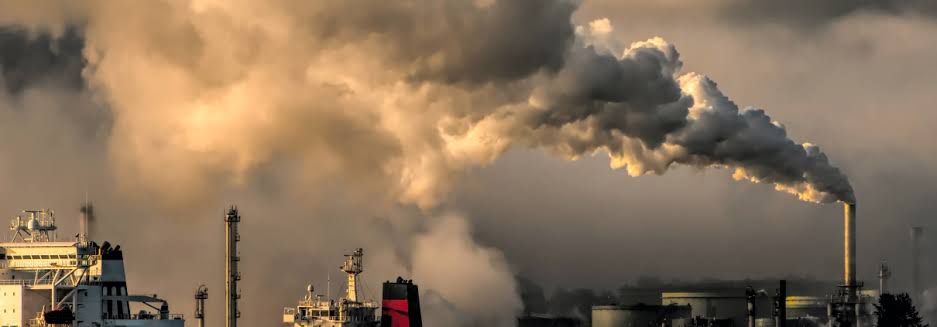
Introduction: Bihar is Choking — And Most People Don't Know How Bad It Really Is Right now, as you read these words, the air in Patna, Saharsa, Bhagalpur, Muzaffarpur, Buxar, and Begusarai is classified as Unhealthy — not just for sensitive groups, but for every single person breathing it. Multiple Bihar cities regularly appear in global top-10 most polluted city rankings. Patna has been ranked among the top two most polluted cities in the entire world on certain days in 2026. Bihar residents lose an average of 5.
6 years of life expectancy due to air pollution — the second highest life expectancy loss from air pollution of any Indian state, exceeded only by Delhi-NCR at 8. 2 years. Read that again. Five point six years.
Not from war, not from famine, not from disease — from the air that Bihar's 130 million people breathe every single day. This blog is the most complete account of Bihar's air pollution crisis you will find anywhere. We cover the real data, the real causes, the real human cost, and the real solutions — because this crisis deserves nothing less than full, honest attention. Part 1: The Data — How Bad Is Bihar's Air Right Now?
🔴 The AQI Numbers That Should Alarm Everyone Patna currently ranks among the most polluted cities globally, with AQI levels consistently unhealthy for everyone. Breathing the air in Patna is as harmful as smoking 1. 9 cigarettes a day. Saharsa, Bihar has recorded AQI levels of 164 (Unhealthy) — with the air quality 5 to 6 times above safe standard levels.
Breathing Saharsa's air is equivalent to smoking 2 cigarettes a day. In recent rankings, Bhagalpur and Muzaffarpur in Bihar both appeared in the top 3 most polluted cities in India, with AQI levels 5 to 6 times above safe standards. Buxar, Bihar has also appeared in India's top polluted cities list, with AQI 7 times above standard — placing it alongside cities like Amritsar and Aligarh in the same pollution tier. 📊 The Scientific Data — PM2.
5 at Deadly Levels A multi-source scientific assessment of Bihar's air quality from 2021 to 2024 found alarming deterioration, particularly during winter and post-monsoon seasons. PM2. 5 consistently emerged as the most hazardous pollutant, with annual average concentrations exceeding WHO guidelines throughout all four years. The highest annual mean was observed in 2022 at 91.
3 μg/m³, corresponding to the highest average AQI of 162. To put this in context: the WHO's safe guideline for PM2. 5 is just 5 μg/m³ annually. Bihar's worst year recorded concentrations more than 18 times that limit.
Health burden assessments indicated that the Attributable Fraction due to PM2. 5 exposure in Bihar varied between 5. 43% in 2024 and 9. 62% in 2022, corresponding to an estimated 39,553 and 70,000 premature deaths respectively in those years alone.
Up to 70,000 premature deaths in a single year. From air pollution alone. In one state. 📅 Seasonal Patterns — When Is It Worst?
Cities such as Patna, Begusarai, and Muzaffarpur have recorded high AQI values during winter months, often falling into the "poor" and "very poor" categories. These fluctuations are influenced by meteorological conditions, vehicular emissions, construction activities, industrial pollution, biomass burning, and rapid urbanization. The worst months are October through February — winter brings cold, still air that traps pollutants close to the ground in a phenomenon called temperature inversion. Combine this with post-harvest crop burning, brick kiln season, and festival firecrackers, and the result is a toxic soup that hangs over Bihar's cities for months at a time.
Part 2: The Causes — Why Is Bihar's Air So Toxic? Understanding the causes is not just an academic exercise — it is the foundation for every solution. Bihar's air pollution crisis has eight distinct, interconnected causes. 🧱 Cause 1: Brick Kilns — Bihar's Largest and Most Overlooked Polluter Bihar has one of the highest concentrations of brick kilns in India.
Hundreds of traditional Fixed Chimney Bull's Trench Kilns (FCBTKs) operate across the state, burning coal and biomass around the clock during the construction season from October to June. Brick kilns burn coal and other fuels, releasing large quantities of smoke and particulate matter into the atmosphere. Many of these kilns operate with outdated technology and lack proper pollution control mechanisms. Brick kilns are responsible for up to 91% of total PM emissions in some cities.
While that figure applies to the most kiln-dense urban areas, it illustrates the extraordinary scale of pollution from this single industry. An estimated 16 million workers in South Asia alone are exposed to hazardous pollutants from brick kilns. Research shows that 78. 33% of brick kiln workers have abnormal lung function, with common problems including frequent cough, chronic phlegm, wheezing, and shortness of breath.
The tragedy is compounded by the fact that these kilns employ some of Bihar's poorest workers — people who have no choice but to breathe toxic air every working day of their lives, and who are least able to access healthcare when they fall sick. 🚗 Cause 2: Vehicular Emissions — Uncontrolled and Growing Bihar's rapid urbanisation has brought an explosion of vehicles onto roads that were never designed for this volume of traffic. Patna, Muzaffarpur, Bhagalpur, and Gaya all face chronic traffic congestion, with older diesel vehicles, auto-rickshaws, trucks, and two-wheelers contributing disproportionately to nitrogen dioxide (NO2) and fine particle pollution. NO2 concentrations have shown rising trends in urban centers due to increased vehicular density and industrial combustion, further contributing to ozone formation and PM2.
5 generation through atmospheric reactions. The problem is structural: public transport infrastructure in Bihar remains severely underdeveloped, forcing millions of people into private vehicles. Without a mass transit alternative, the number of vehicles — and the pollution they generate — will only keep rising. 🌾 Cause 3: Crop Residue Burning — Seasonal Poison Every year after the kharif (summer) harvest, farmers across Bihar and neighbouring states burn the leftover crop stubble to quickly clear fields for the next planting cycle.
The result is massive clouds of smoke that drift across entire districts, dramatically spiking PM2. 5 levels for weeks. Crop residue burning contributes to poor air quality and imposes a health burden on India. From 2003 to 2019, agricultural residue burning caused 44,000 to 98,000 particulate matter exposure-related premature deaths annually across India.
The farmers are not villains in this story — they are trapped. Without affordable machinery, government support, or viable alternatives to burning, they do what is fastest and cheapest. Solving this requires addressing the economic reality of small and marginal farmers, not simply banning a practice they depend on. 🏭 Cause 4: Industrial Emissions — Coal, Steel, and Cement India's industrial sector — coal-fired power plants, brick kilns, steel mills, cement factories, and chemical processing units — is the single largest contributor to national particulate pollution.
Bihar's industrial zone, particularly around Begusarai and Barauni, has significant petrochemical and fertiliser industry presence. The Barauni Thermal Power Station and various industrial units along the Ganga corridor release substantial quantities of sulphur dioxide, nitrogen oxides, and particulate matter with limited filtering technology. 🏗️ Cause 5: Construction Dust — The Urbanisation Penalty Rapid urbanisation has led to increased construction activities across Bihar. Dust from construction sites, unpaved roads, and transportation of building materials contributes significantly to air pollution.
Bihar is undergoing genuine infrastructure development — roads, bridges, buildings, and urban expansion. This is necessary and broadly positive. But construction dust, particularly on unpaved roads, is one of the largest contributors to PM10 levels in Bihar's cities, and almost entirely unregulated at the site level. 🌫️ Cause 6: Geography — The Gangetic Plain Trap This is the factor that makes all the other causes worse: Bihar's geography.
Bihar, located in the Indo-Gangetic Plain, frequently experiences significant fluctuations in the Air Quality Index. Meteorological conditions play a key role — the region's flat terrain and periodic atmospheric stagnation trap pollutants close to ground level. The Indo-Gangetic Plain is essentially a giant bowl, ringed by the Himalayas to the north and elevated terrain to the south. In winter, cold air settles near the surface and warmer air sits above it — a temperature inversion that acts like a lid, trapping every molecule of pollution emitted within the region.
Winds slow, humidity rises, and the pollution has nowhere to go. This is why Bihar's winter air quality is almost always worse than its summer air quality, even though industrial and vehicular activity does not suddenly increase in October. 🔥 Cause 7: Household Biomass Burning — The Rural Reality In Bihar's rural areas, the majority of households still cook on biomass stoves — burning wood, dung cakes, agricultural waste, and coal. Indoor air pollution from these stoves is itself a severe health crisis, but the cumulative outdoor pollution from millions of such stoves burning simultaneously creates a significant regional air quality burden that satellite data consistently captures.
The transition to clean cooking fuel — LPG and electric induction — is essential both for indoor health and outdoor air quality. 🎆 Cause 8: Festivals and Firecrackers — Seasonal Spikes Bihar celebrates Diwali, Chhath Puja, and other festivals with enormous enthusiasm — and enormous quantities of firecrackers. AQI levels in Patna and other cities during Diwali night routinely enter the "Severe" category — above 400 on the AQI scale — causing immediate respiratory distress across the population. While firecrackers are not the primary long-term cause of Bihar's pollution, they create acute pollution spikes that can trigger hospital admissions, asthma attacks, and cardiac events in vulnerable populations.
Part 3: The Human Cost — Who Is Suffering Most? 👶 Children: The Most Vulnerable Victims Bihar has one of India's youngest population profiles. Children's lungs are still developing, and exposure to PM2. 5 and NO2 during critical developmental years causes permanent damage — reduced lung capacity, increased lifelong asthma risk, neurological effects, and stunted cognitive development.
Particulate pollution reduces average Indian life expectancy by 3. 5 years — nearly twice the 1. 6-year impact of childhood and maternal malnutrition, more than twice the 1. 5-year impact of tobacco use, and more than five times the 8.
4-month impact of unsafe water and sanitation. For Bihar's children, who will live their entire lives in one of the world's most polluted regions without intervention, the cumulative damage is incalculable. 👩🌾 Farmers and Agricultural Workers Farmers who burn crop residue and work in open fields during peak pollution season face direct, sustained exposure to some of the worst pollution events of the year. They are simultaneously the contributors to and victims of this specific source of pollution — trapped by economic necessity on both sides.
🧱 Brick Kiln Workers These are among Bihar's most economically marginalised workers, many of them migrant labourers from the most impoverished districts. They work directly adjacent to burning kilns for ten to twelve hours a day during a season that lasts eight months. Research confirms that brick kiln workers experience high rates of respiratory problems including frequent cough at 50%, chronic cough at 11. 67%, frequent phlegm at 21.
67%, shortness of breath at 38. 33%, and a clear decrease in lung function as measured by spirometry tests. 🏙️ Urban Residents — No Escape Indoors The popular belief that staying indoors protects you from outdoor air pollution is false. Without HEPA filtration — which the vast majority of Bihar households cannot afford — indoor PM2.
5 levels track outdoor levels closely within a few hours. There is, quite literally, nowhere to hide. Part 4: Why Has This Crisis Persisted? The Systemic Failures 1.
Monitoring Infrastructure Gaps Despite being a pollution hotspot, Bihar remains underrepresented in national pollution control strategies, in part due to insufficient monitoring infrastructure, limited localized studies, and lack of granular, long-term datasets. You cannot manage what you cannot measure. Bihar has far fewer air quality monitoring stations per capita than states like Maharashtra or Karnataka, meaning large areas of the state have no real-time AQI data at all. 2.
Enforcement Failure Bihar Pollution Control Board exists on paper. But enforcement of pollution norms — particularly for brick kilns, construction sites, and industrial units — is chronically weak. Fines are low, inspections are rare, and regulatory capture is a documented concern. 3.
Economic Constraints Bihar is one of India's least developed states by per capita income. Transitioning to cleaner technologies — whether Zigzag kilns, electric vehicles, or clean cooking fuel — requires upfront capital investment that neither small businesses nor individual households can afford without significant government support. 4. Political Prioritisation Air pollution is invisible, slow-acting, and diffuse.
It does not produce the dramatic imagery of a flood or a fire. This makes it politically easier to deprioritise than visible disasters, even when its death toll far exceeds them. Part 5: Solutions — What Bihar Must Do This is the most important section of this blog. Problems without solutions are just despair.
Here is what needs to happen — at every level, from government to individual citizen. ✅ Solution 1: Zigzag Kiln Technology — The Brick Revolution Bihar Needs The single most impactful technological intervention available to Bihar right now is the mandatory conversion of all traditional Bull's Trench Kilns to Zigzag kiln technology. Zigzag kilns use the same raw materials and produce the same bricks, but the redesigned airflow pattern burns fuel far more efficiently — reducing PM emissions by 60 to 80% and cutting fuel consumption significantly. Several states have already begun mandating this transition under the National Clean Air Programme.
Bihar must follow and accelerate. The government must provide subsidised loans and technical support to kiln owners who cannot afford the conversion cost. ✅ Solution 2: Crop Residue Management — Help Farmers, Don't Just Ban Banning crop burning without providing alternatives is both ineffective and unjust. The evidence from Punjab and Haryana is instructive.
In Punjab, the number of paddy stubble burning incidents consistently decreased from 71,304 in 2021 to just 9,655 in 2024, driven by government subsidisation of machinery such as Happy Seeders, Super Straw Management System (SMS), and rotavators to facilitate in-situ stubble management. Bihar must replicate and scale this model — subsidising machinery, promoting Happy Seeder technology, and creating market linkages for crop residue as biomass fuel. ✅ Solution 3: Expand Public Transport Dramatically Every bus route added, every metro line built, every electric bus fleet deployed reduces vehicular emissions. Patna's public transport system is grossly inadequate for a city of its size.
The state must prioritise mass rapid transit, bus rapid transit, and cycling infrastructure as fundamental public health interventions — not just convenience upgrades. ✅ Solution 4: Electrify Bihar's Transport Fleet Bihar should set aggressive targets for electric two-wheelers, three-wheelers, and public buses. Auto-rickshaws and e-rickshaws are already partially electrified — this transition must be accelerated through subsidy schemes and charging infrastructure investment. ✅ Solution 5: PM UJJWALA Mission — Complete the Last Mile The central government's Pradhan Mantri Ujjwala Yojana has distributed free LPG connections to millions of rural households across India, including in Bihar.
But connection alone is not enough — many families cannot afford the ongoing cost of LPG refills and return to biomass burning within a year. Bihar must subsidise LPG refills for the most economically vulnerable households to ensure sustained adoption of clean cooking fuel. ✅ Solution 6: Real-Time AQI Monitoring Network Bihar needs a dense, reliable, publicly accessible network of air quality monitoring stations across all major cities and industrial zones. Real-time data empowers citizens to protect themselves, enables government enforcement, and creates the evidence base needed for effective policy.
Under the National Clean Air Programme, funding is available for this infrastructure. Bihar must claim it, deploy it, and maintain it. ✅ Solution 7: Construction Dust Regulation Every major construction site in Bihar should be legally required to implement dust suppression measures — water sprinklers, enclosures around demolition work, immediate paving of construction approach roads, and covered material transport. These are low-cost interventions with immediate air quality benefits.
✅ Solution 8: Firecracker Regulation During Peak Pollution Events When AQI levels in a city exceed 300, firecrackers should be automatically banned. This is not anti-culture — it is basic public health management. Similar rules are already in place in Delhi. Bihar needs automatic pollution-triggered restrictions backed by enforcement, not just advisories that nobody follows.
✅ Solution 9: Urban Greening — Trees as Air Filters Increasing urban tree cover, particularly with species known for high PM absorption — such as Ashoka, Neem, Peepal, and Maulsari — provides natural air filtration, reduces urban heat islands, and improves the mental health of city residents. Every ward in Bihar's cities should have a mandatory urban forest target. ✅ Solution 10: Community Awareness and Citizen Science Ultimately, sustained pressure for clean air must come from informed, engaged citizens. School curricula should include air quality education.
Gram sabhas should discuss AQI data. Local media should report air quality as a public health beat, not an occasional story. When communities understand what polluted air is doing to their children's lungs, political pressure for real action becomes irresistible. Part 6: The Government Initiatives — What Is Already Happening?
Several government programmes are relevant to Bihar's air pollution crisis: National Clean Air Programme (NCAP): Launched in 2019, with targets to reduce PM2. 5 and PM10 concentrations by 40% by 2026 compared to 2017 baselines. Bihar's major cities are included, but implementation has been uneven. FAME India (Faster Adoption of Manufacturing of Electric Vehicles): Provides subsidies for electric vehicles.
Bihar needs to more aggressively promote awareness and uptake of this scheme. PM Ujjwala Yojana: Clean cooking fuel connections for BPL households. Refill affordability remains the critical bottleneck. National Action Plan on Climate Change: Includes missions on energy efficiency, solar, and sustainable habitat — all relevant to Bihar's pollution.
The frameworks exist. The funding exists. What is missing is urgency, political will, and relentless follow-through. Conclusion: Bihar Deserves Clean Air — And the Fight Starts Now Bihar is not a polluted state because its people don't care.
Bihar is a polluted state because decades of underinvestment, weak enforcement, economic constraint, and political deprioritisation have allowed a preventable crisis to become a generational catastrophe. Air pollution now surpasses every other environmental, behavioural, and nutritional risk factor as the leading external threat to Indian longevity. And Bihar sits near the very top of that list. But here is what we also know: air quality can improve.
Cities that were once considered permanently toxic have cleaned their air through sustained, determined action. The technology exists. The knowledge exists. The solutions are clear.
What Bihar needs now is the will to act — and citizens who refuse to accept that breathing poisoned air is simply the price of living in this state. As Environment Warriors, we refuse to accept that. Bihar's children deserve to breathe. Bihar's farmers deserve clean skies.
Bihar's workers deserve lungs that function for their full natural lifespan. The air belongs to everyone. Fight for it. 🌱