Climate Change
Beyond PM2.5: Delhi NCR's Emerging Ozone Crisis Under a Scorching Sky
As record temperatures grip India, the national capital region faces a rising menace: ground-level ozone, a silent respiratory threat exacerbated by climate change.
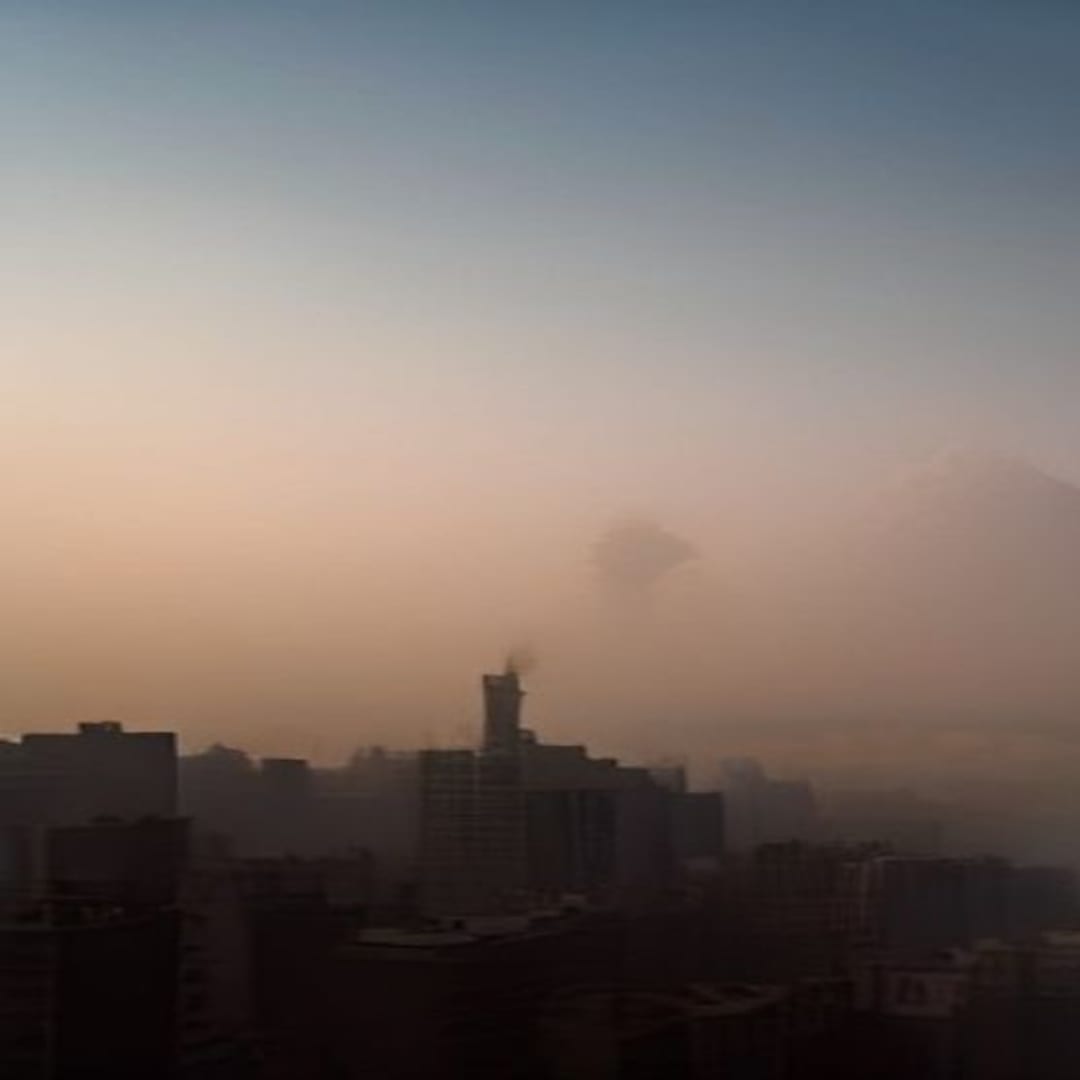
The mercury persistently climbs, shattering records across India. In Delhi, the relentless summer of 2026 has been particularly brutal, with heatwaves baking the sprawling National Capital Region (NCR) for weeks on end. While public discourse often zeroes in on the visible scourge of PM2. 5 and PM10, an invisible, insidious threat intensifies with every degree rise: ground-level ozone.
This isn't the protective ozone layer high in the stratosphere; this is a dangerous pollutant at breathing level, and its silent ascent in Delhi NCR’s toxic air under a warming sun demands our urgent attention. Today, 19 August 2026, as headlines globally highlight India's unprecedented climate challenges—from record temperatures and erratic monsoons to escalating extreme weather events—the insidious link between climate change and air quality becomes starkly clear in our urban centres. While the focus remains on tangible particulate matter, ground-level ozone, a secondary pollutant, thrives in the very conditions created by our warming planet and unchecked emissions, posing a severe, yet often unacknowledged, public health crisis. ## The Unseen Threat: How Heat Bakes Our Air Unlike particulate matter which is directly emitted, ground-level ozone (O3) is formed through a complex chemical reaction.
It's not pumped out of a smokestack or exhaust pipe. Instead, it forms when precursor pollutants—nitrogen oxides (NOx) and volatile organic compounds (VOCs)—react in the presence of strong sunlight and heat. NOx primarily comes from vehicle exhausts, power plants, and industrial boilers, while VOCs are emitted from sources like industrial solvents, paints, gasoline evaporation, and even some natural vegetation. The hotter and sunnier it gets, the faster and more intensely these reactions occur, leading to higher ozone concentrations.
In a city like Delhi, characterized by dense vehicular traffic, burgeoning industrial activity on its periphery, and soaring summer temperatures that regularly breach 45°C, the conditions are perfect for ozone proliferation. The stagnant air masses often associated with heatwaves further trap these pollutants, allowing them to 'cook' and form ozone closer to the ground, where we breathe. ## Beyond Lungs: The Far-Reaching Health Toll The health impacts of ground-level ozone are severe and widespread, extending beyond the acute respiratory distress often associated with PM2. 5.
Ozone is a highly reactive gas that damages lung tissue, leading to inflammation, reduced lung function, and increased susceptibility to respiratory infections. For Delhi NCR's millions, this means: * **Exacerbated Respiratory Conditions:** Individuals with pre-existing conditions like asthma, bronchitis, and emphysema experience more frequent and severe attacks. Even healthy individuals can feel chest pain, coughing, throat irritation, and difficulty breathing. * **Cardiovascular Stress:** Emerging research indicates a link between long-term ozone exposure and cardiovascular problems, including increased risk of heart attacks and strokes, especially in vulnerable populations.
* **Impact on Children:** Children, with their developing respiratory systems and higher outdoor activity levels, are particularly susceptible. Ozone exposure can hinder lung development and lead to chronic respiratory issues later in life. * **Vulnerable Workers:** Outdoor workers – construction labourers, street vendors, delivery personnel – are on the front lines, facing prolonged exposure during peak ozone hours, compounding the dangers of heat stress they already endure. * **Reduced Immunity:** Chronic exposure can weaken the immune system, making populations more vulnerable to other airborne pathogens and diseases, a critical concern in a post-pandemic world.
While the **Central Pollution Control Board (CPCB)** diligently monitors PM2. 5 and PM10, and reports on overall Air Quality Index (AQI), the specific threat of ground-level ozone often gets overshadowed in public discourse. Yet, CPCB data frequently shows ozone levels in Delhi NCR exceeding the National Ambient Air Quality Standards (NAAQS) for 8-hour averages, especially during summer months. For instance, in May-June 2026, several monitoring stations in the NCR, including those in Anand Vihar and Dwarka, recorded ozone levels consistently above the prescribed 100 µg/m³ limit for extended periods, sometimes spiking to alarming concentrations during afternoon hours.
## Environmental and Economic Ripples The impact of ground-level ozone isn't limited to human health. It's a potent phytotoxic agent, meaning it’s toxic to plants. This has critical implications for agriculture in the NCR’s surrounding regions, where ozone can damage crops, reduce yields, and affect food security. Trees and other vegetation, vital for urban greening and carbon sequestration, also suffer, weakening urban resilience to climate change.
Economically, the healthcare burden from ozone-related illnesses strains public health infrastructure. Lost productivity due to illness and premature mortality also exacts a heavy toll, slowing economic growth and exacerbating inequalities. ## Policy Pathways: A Multi-Pollutant Approach Addressing ground-level ozone requires a strategic shift from focusing solely on particulate matter to a more comprehensive, multi-pollutant control strategy that integrates climate action. India's **National Clean Air Programme (NCAP)**, while ambitious in its goals to reduce PM2.
5 and PM10 concentrations, needs to explicitly strengthen its focus on ozone precursors. Key policy interventions must include: 1. **Strict Emission Standards for NOx and VOCs:** This means accelerating the transition to cleaner fuels and stricter emission norms for vehicles (e. g.
, Bharat Stage VII), industrial processes, and power plants. Incentivizing electric vehicles and public transport is crucial. 2. **Industrial Process Control:** Implementing best available technologies (BAT) for industries that emit VOCs, such as paint manufacturing, chemical industries, and refineries in the NCR region and its periphery.
3. **Sustainable Urban Planning:** Promoting green infrastructure, discouraging excessive private vehicle use, and designing cities that reduce travel demand can cut down on precursor emissions. 4. **Integrated Monitoring and Forecasting:** Enhancing the CPCB's monitoring network to provide real-time, granular data on ozone levels, coupled with public early warning systems during high ozone days.
This allows residents, particularly vulnerable groups, to take precautionary measures. 5. **Public Awareness Campaigns:** Educating the public about ozone, its causes, health impacts, and preventive actions (e. g.
, limiting outdoor exertion during peak ozone hours) is paramount. Many are still unaware of ozone as a distinct threat. 6. **Research and Development:** Investing in Indian-specific research to understand the unique atmospheric chemistry of ozone formation in different climatic zones and develop targeted mitigation strategies.
This challenge underscores the inseparable nature of climate change and air pollution. Reducing greenhouse gas emissions to slow down global warming will, in turn, reduce the frequency and intensity of heatwaves, thereby mitigating a key driver of ozone formation. Conversely, controlling ozone precursors contributes to cleaner air and, in some cases, can have co-benefits for climate mitigation. ## A Call to Action for a Breathable Future The rising menace of ground-level ozone in Delhi NCR is a stark reminder that our fight for breathable air must evolve.
It's not enough to battle the visible smog; we must also confront the invisible threats that brew under a warming sky. As India navigates its climate crisis, proactive, integrated policies that tackle both climate change and all forms of air pollution are not just an environmental imperative but a fundamental right to health for millions. The future of Delhi NCR's air, and the well-being of its citizens, depends on our collective will to look beyond the obvious, understand the complex science, and act decisively, starting today.