Climate Change
Bengaluru's Gritty Lung: Construction Dust Chokes Garden City
Amidst rapid development, India's tech capital grapples with an invisible menace, impacting health and environment.
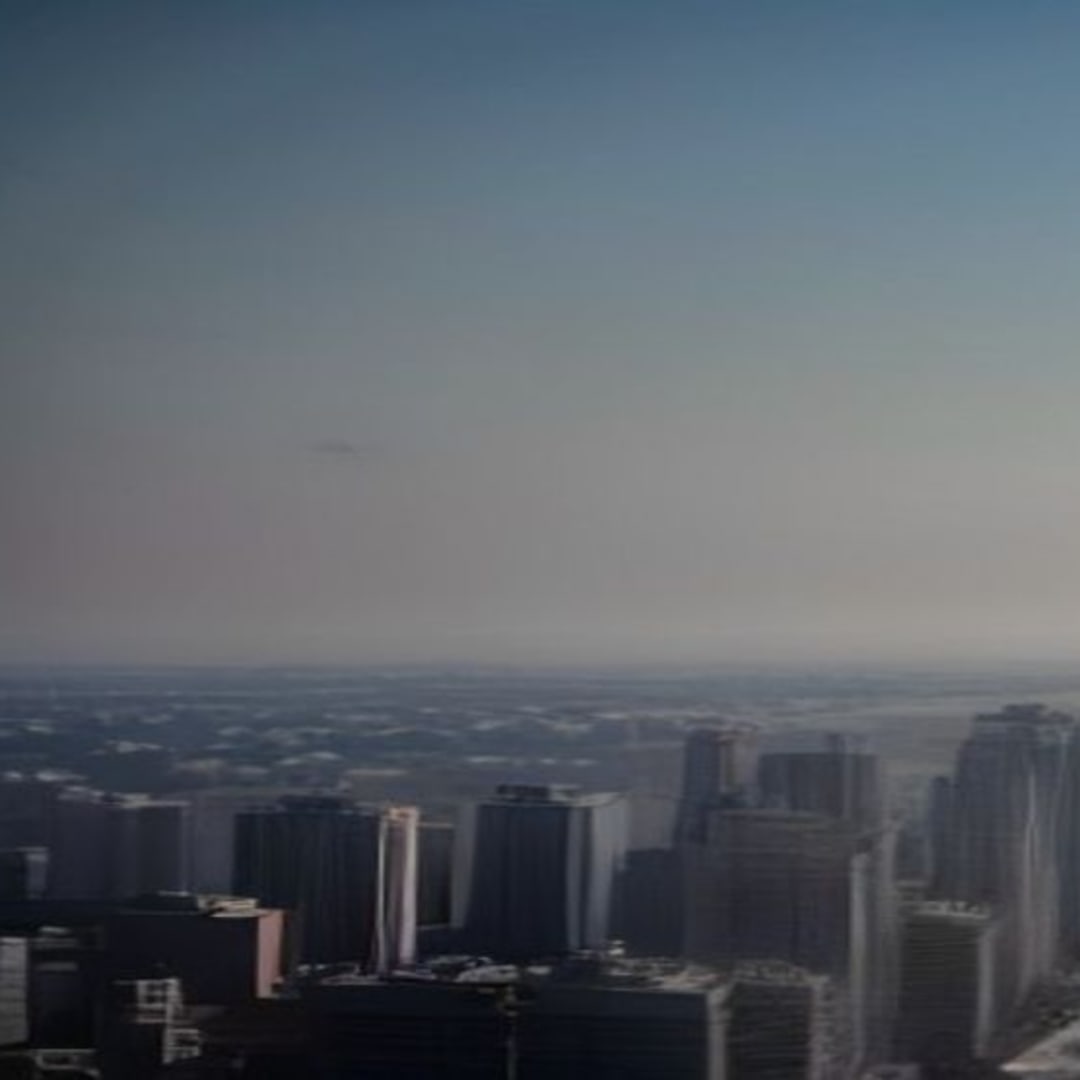
The rhythmic clang of hammers and the low rumble of excavators are constant companions for millions living in Bengaluru. For years, these sounds have been synonymous with progress, the relentless march of India's Silicon Valley towards global prominence. But beneath the gleaming facades of new tech parks and sprawling residential complexes, a more insidious narrative unfolds. It's the story of a city choking on its own ambition, its famed 'Garden City' moniker increasingly obscured by a pervasive, gritty haze: construction dust.
Today, 5 September 2026, as India grapples with unprecedented climate challenges and critical air pollution levels across its urban centres, Bengaluru stands as a stark example of how unchecked development can exacerbate these crises. While industrial emissions and vehicular exhaust hog headlines, the silent, omnipresent threat of construction dust often goes under-reported, yet its impact on Bengaluru's air quality and public health is profound and devastating. ## The Unseen Menace: Bengaluru's Building Boom and Its Fallout For residents like Mrs. Padma Rao, a retired teacher in HSR Layout, the morning routine now includes meticulously wiping a fine layer of grey dust from every surface, even with windows tightly shut.
"It's everywhere," she sighs, gesturing towards the construction site across the street, where a new high-rise is rapidly taking shape. "My grandchildren cough constantly. We used to enjoy sitting on the balcony, but now, it feels like breathing in mud. " Padma's experience is not isolated; it's a daily reality for countless Bengalureans living amidst the city's seemingly endless infrastructure projects – from the expansion of the Namma Metro lines to the widening of arterial roads and the mushrooming of commercial and residential buildings along the Outer Ring Road (ORR) and beyond.
Bengaluru's population has surged, demanding rapid expansion of its built environment. While infrastructure growth is crucial, the methods employed often disregard environmental safeguards. Open transportation of construction and demolition (C&D) waste, inadequate covering of building materials at sites, lack of water sprinkling, and the sheer scale of excavation contribute to a staggering amount of particulate matter suspended in the air. These aren't just nuisance dust; they are a complex cocktail of fine particulate matter (PM2.
5 and PM10), silica, asbestos fibres, heavy metals, and volatile organic compounds (VOCs) that pose severe health risks. ## A City Breathless: The Health Toll The human cost of this dust deluge is alarming. Medical professionals in Bengaluru report a significant increase in respiratory ailments, particularly among children, the elderly, and outdoor workers. Dr.
Suresh Kumar, a pulmonologist at a leading city hospital, notes, "We're seeing a rise in chronic bronchitis, asthma exacerbations, and even cases of silicosis among construction workers. The fine dust particles penetrate deep into the lungs, causing inflammation and long-term damage. It's a slow poisoning, affecting not just respiratory health but potentially cardiovascular systems and cognitive function. " The health advisories issued across Indian cities often highlight general AQI, but the specific contribution of construction dust, with its unique chemical composition, demands a targeted approach to public health communication and intervention.
Children are particularly vulnerable. Their developing lungs and faster breathing rates expose them to higher doses of pollutants. Schools near major construction zones frequently report students suffering from persistent coughs and allergies, impacting their attendance and learning abilities. For the hundreds of thousands of migrant construction workers, often living in temporary, unsheltered accommodations adjacent to construction sites, the exposure is constant and severe, turning their workplaces into health hazards with often no access to protective gear or healthcare.
## Environmental Degradation Beyond the Air The impact of construction dust extends beyond human health. The grey film settles on leaves, hindering photosynthesis and damaging the city's remaining green cover. It contaminates water bodies, alters soil composition, and contributes to the urban heat island effect by coating reflective surfaces. The once-vibrant flora of Bengaluru, a source of pride and biodiversity, struggles to thrive under this incessant grey blanket.
The dust also reduces visibility, contributing to traffic hazards, and necessitates more frequent cleaning, increasing water consumption – a critical resource already under stress in the city. ## The Policy-Practice Gap: Enforcement Challenges The Karnataka State Pollution Control Board (KSPCB) has indeed established guidelines for dust control at construction sites. These include mandating water sprinkling, covering construction materials and C&D waste during transport and storage, erecting barricades, and installing dust screens. The National Green Tribunal (NGT) has also issued directives, imposing fines on violators.
However, the ground reality often paints a different picture. Enforcement remains a significant hurdle. "The regulations are there on paper, but their implementation is patchy at best," states Mr. Rajesh Kumar, an environmental activist working with the 'Bengaluru Clean Air Alliance'.
"Inspectors are few, sites are numerous, and the penalties, while substantial, are often not a strong enough deterrent for large developers. There's also a lack of accountability from public agencies undertaking massive infrastructure projects. Who fines the Metro for dust generated by its tunneling or station construction? " The coordination between various civic bodies – the Bruhat Bengaluru Mahanagara Palike (BBMP), Bangalore Development Authority (BDA), and KSPCB – also proves challenging, leading to regulatory overlaps or, more often, gaps.
## Pathways to Clearer Skies: Solutions for Bengaluru Addressing Bengaluru's construction dust crisis requires a multi-pronged, systemic approach: 1. **Strict Enforcement and Accountability:** KSPCB and BBMP must ramp up inspections, impose deterrent fines consistently, and hold both private developers and public project agencies equally accountable. Third-party audits could enhance transparency and compliance. 2.
**Technological Adoption:** Mandate the use of advanced dust suppression techniques, such as mist cannons, vacuum road sweepers, and enclosed material handling systems, especially in densely populated areas. Real-time air quality monitoring at large construction sites, with public displays, can increase vigilance. 3. **Sustainable Construction Practices:** Promote the use of pre-fabricated construction, which significantly reduces on-site dust.
Encourage recycling of C&D waste at dedicated facilities, transforming waste into usable materials, rather than dumping and contributing to dust. 4. **Community Engagement and Awareness:** Educate both residents and construction workers about the health risks and best practices. Citizen reporting mechanisms, perhaps through mobile apps, could help authorities identify non-compliant sites more effectively.
5. **Integrated Urban Planning:** Future infrastructure projects must incorporate dust control measures from the planning stage, including strategic site selection, phased development to minimize simultaneous large-scale disruption, and green buffer zones. Bengaluru's journey towards becoming a truly global city should not come at the expense of its citizens' health and environmental integrity. The urgency of India's climate crisis and the critical levels of air pollution demand that every source of contamination is addressed with unwavering resolve.
By tackling the gritty reality of construction dust, Bengaluru has the opportunity to redefine its growth trajectory – moving from a breathless boom to a sustainable, healthy future, where the air is as clear as its aspirations. The time to act is now, before the 'Garden City' becomes merely a dusty memory.