Climate Change
Beneath the Surface: Climate's Toll on Indo-Gangetic Soil
Rising temperatures and erratic monsoons are silently eroding the ecological bedrock of India's food security.
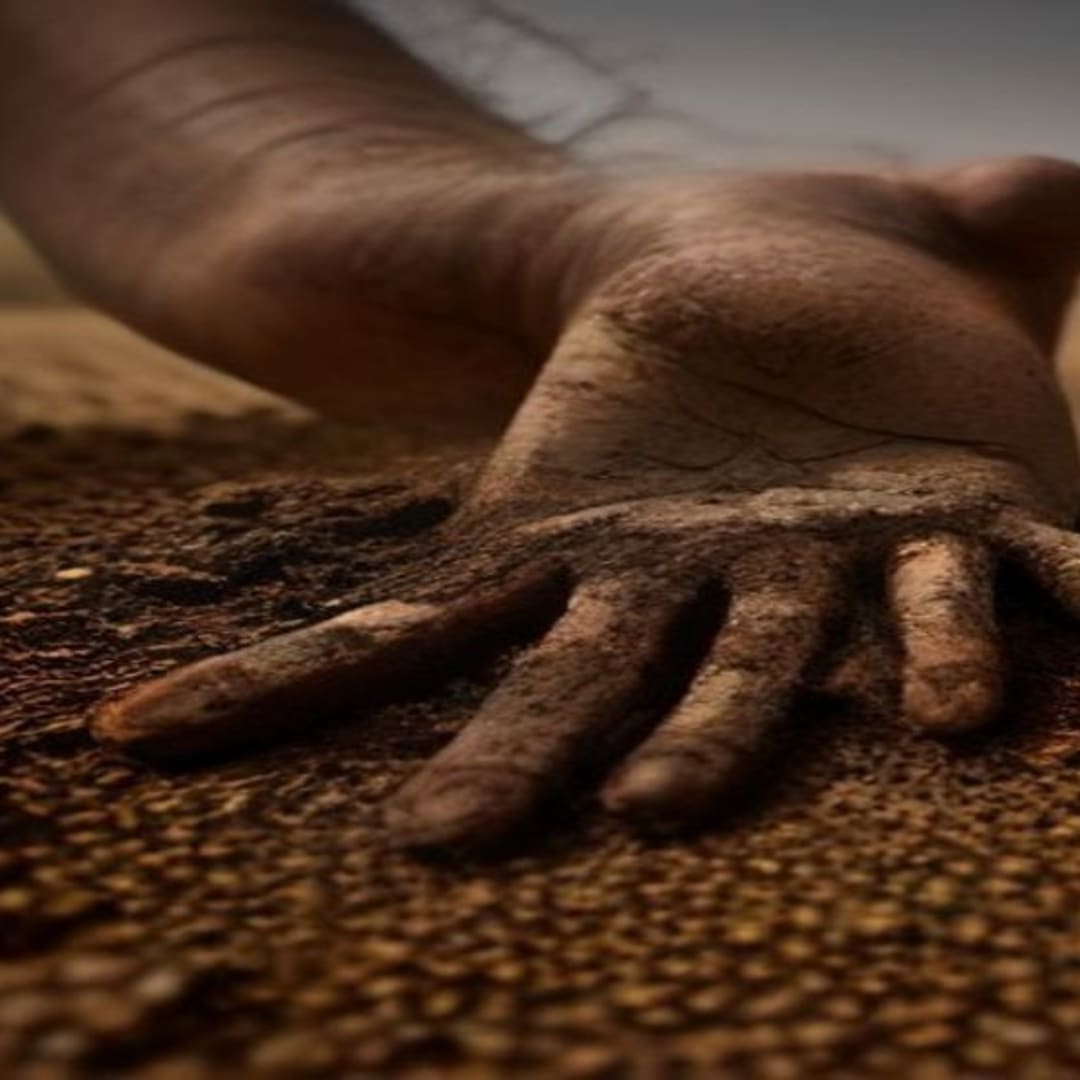
The soil beneath our feet, often overlooked, is the silent engine of India's prosperity. For generations, it has nourished the vast Indo-Gangetic Plain (IGP), turning this expansive belt into the nation’s breadbasket. But today, a profound and dangerous transformation is occurring, one that threatens the very foundation of our food security: the relentless degradation of soil health, accelerated by a rapidly changing climate. As India grapples with record temperatures and unpredictable monsoons in 2026, the earth itself is showing signs of deep distress.
Take, for instance, Ram Pal Singh, a third-generation farmer in Uttar Pradesh’s fertile plains. For years, his family fields yielded bountiful harvests of wheat and paddy. “The soil used to feel alive, dark and crumbly in my hands,” he recounted, his voice tinged with a weariness that went beyond the day’s labour. “Now, after just a few hot years and these crazy rains, it feels… tired.
Harder to work, less responsive. We put in more, but get less. ” Ram Pal’s observation isn't anecdotal; it's a lived reality reflecting a national crisis that few truly grasp. The Indo-Gangetic Plain, home to nearly half of India’s population and producing a significant portion of its food grains, is particularly vulnerable.
This region, stretching across states like Punjab, Haryana, Uttar Pradesh, Bihar, and West Bengal, relies heavily on its fertile alluvial soils. However, these very soils are now under siege from the twin spectres of extreme heat and erratic rainfall patterns—hallmarks of India’s intensifying climate crisis. ## The Mechanisms of Soil Degradation in a Warming World The impact of climate change on soil health isn't a singular event but a complex interplay of physical, chemical, and biological processes. Rising ambient temperatures, as witnessed across India, directly influence soil dynamics: ### Accelerated Organic Matter Decomposition Soil Organic Carbon (SOC) is the lifeblood of healthy soil, crucial for nutrient cycling, water retention, and microbial activity.
Higher temperatures dramatically accelerate the decomposition of organic matter by soil microbes, releasing carbon dioxide into the atmosphere and depleting the soil’s natural fertility. Studies by the Indian Council of Agricultural Research (ICAR) have repeatedly pointed to alarming declines in SOC levels across the IGP, with some areas reporting SOC as low as 0. 3-0. 5%, significantly below the healthy threshold of 0.
8-1. 0%. This loss means less fertile soil, less ability to hold water, and a reduced capacity to support robust plant growth. ### Increased Evaporation and Salinization Prolonged heatwaves lead to increased evaporation from the soil surface.
In regions reliant on irrigation, especially with groundwater, this can draw salts upwards, concentrating them in the topsoil. This process, known as salinization, renders vast tracts of land unproductive, a growing concern in states like Punjab and Haryana, where intensive irrigation practices combine with escalating temperatures to create a fertile ground for salt accumulation. Once salinized, reclaiming the land is an arduous and expensive process. ### Erratic Monsoons: A Dual Threat The changing monsoon patterns exacerbate the problem.
Instead of consistent, moderate rainfall, the IGP now experiences more frequent and intense downpours interspersed with prolonged dry spells. Intense rainfall events cause severe topsoil erosion, washing away the most fertile layer rich in organic matter and nutrients. Conversely, extended dry periods leave the soil parched, making it susceptible to wind erosion and further depleting its moisture reserves, leading to widespread desiccation. ### Impact on Soil Biodiversity Beyond the physical and chemical changes, climate change profoundly affects the complex web of life beneath the surface.
Soil microorganisms—bacteria, fungi, and other tiny creatures—are vital for nutrient cycling, disease suppression, and overall soil structure. Extreme temperature fluctuations and altered moisture regimes disrupt these delicate ecosystems, leading to a decline in soil biodiversity and a reduction in the soil’s natural resilience and productivity. ## Far-Reaching Consequences for India The deterioration of soil health in the Indo-Gangetic Plain carries grave implications for India's future: ### Threat to Food Security Declining soil fertility directly translates to reduced crop yields and increased vulnerability to pests and diseases. Farmers like Ram Pal are already witnessing this through plateauing yields despite increased inputs.
If left unaddressed, this could undermine India's hard-won food security, leading to higher food prices and potential shortages for a rapidly growing population. ### Economic Strain on Farmers To compensate for depleted soil, farmers are forced to apply more chemical fertilizers and pesticides, driving up input costs. This cycle further strains the already precarious livelihoods of millions of small and marginal farmers, pushing them deeper into debt and exacerbating agrarian distress. The economic viability of farming in the IGP is at risk.
### Amplified Water Scarcity Healthy soil acts as a natural sponge, absorbing and retaining water. Degraded soil, lacking organic matter and structure, loses this capacity, leading to increased surface runoff and diminished groundwater recharge. This intensifies the pressure on already strained groundwater resources, forcing deeper wells and higher energy consumption for irrigation, creating a vicious cycle of water scarcity and energy demand. ### Environmental Degradation Beyond agriculture, soil degradation contributes to broader environmental problems.
Erosion leads to siltation of rivers and reservoirs, affecting water quality and hydropower generation. The loss of SOC also means a reduced capacity for soils to sequester carbon, hindering climate mitigation efforts. ## Building Resilience: A Path Forward Addressing this foundational crisis requires a multi-pronged approach, integrating sustainable agricultural practices with robust policy support and community engagement. The urgency is paramount, for the soil’s capacity to regenerate is finite.
### Promoting Sustainable Agricultural Practices Farmers must be supported in adopting practices that enhance soil health and build resilience against climate extremes. These include: * **Conservation Tillage:** Reducing soil disturbance through no-till or minimum-tillage methods helps preserve soil structure, organic matter, and moisture. * **Crop Diversification and Rotation:** Moving away from monoculture and introducing diverse crop rotations, including legumes, can improve soil fertility, break pest cycles, and enhance biodiversity. * **Cover Cropping and Agroforestry:** Planting non-cash crops between main seasons or integrating trees into farming systems protects the soil from erosion, adds organic matter, and improves nutrient cycling.
* **Integrated Nutrient Management (INM):** Combining organic manures, bio-fertilizers, and judicious use of chemical fertilizers based on soil testing can optimize nutrient delivery while reducing chemical dependency. ### Strengthening Policy and Research The Government of India’s **Soil Health Card (SHC) Scheme**, launched in 2015, is a crucial step towards assessing soil nutrient status and guiding farmers on fertilizer application. However, its scope needs to expand to fully integrate climate resilience strategies. SHCs should not only advise on nutrient management but also provide recommendations for practices that build organic carbon, enhance water retention, and mitigate climate impacts.
Institutions like ICAR must intensify research into climate-resilient crop varieties and soil management techniques suited for the IGP's changing conditions. ### Farmer Education and Capacity Building For these practices to take root, extensive farmer education and capacity-building programs are essential. Farmers need access to knowledge, financial incentives, and demonstrations of successful climate-smart agriculture. Farmer Producer Organizations (FPOs) can play a pivotal role in disseminating information, facilitating access to resources, and creating collective action for sustainable land management.
### Investment in Regenerative Agriculture Moving forward, India needs to prioritize and invest in regenerative agriculture, a holistic approach that focuses on restoring soil health, biodiversity, and ecosystem services. This includes financial support for farmers transitioning to these practices, market linkages for produce grown sustainably, and robust monitoring systems to track soil health improvements over time. ## The Imperative of Action The crisis unfolding beneath the Indo-Gangetic Plain is a quiet one, lacking the dramatic visuals of floods or droughts, yet its implications are equally, if not more, profound. The degradation of our soil is a direct assault on our long-term food security, our rural economies, and ultimately, our national well-being.
As Environment Warrior, we call upon policymakers, agricultural scientists, farmers, and every citizen to recognize this existential threat. Investing in the health of our soil is not merely an agricultural strategy; it is a fundamental act of climate resilience, an investment in India’s future. The time to heal our earth, before it can no longer sustain us, is now.