Climate Change
Barmer's Solar Shield: Protecting Harvests & Water in Extreme Heat
Amidst Rajasthan's scorching desert, decentralized solar power offers a vital lifeline, securing food and water for climate-vulnerable communities.
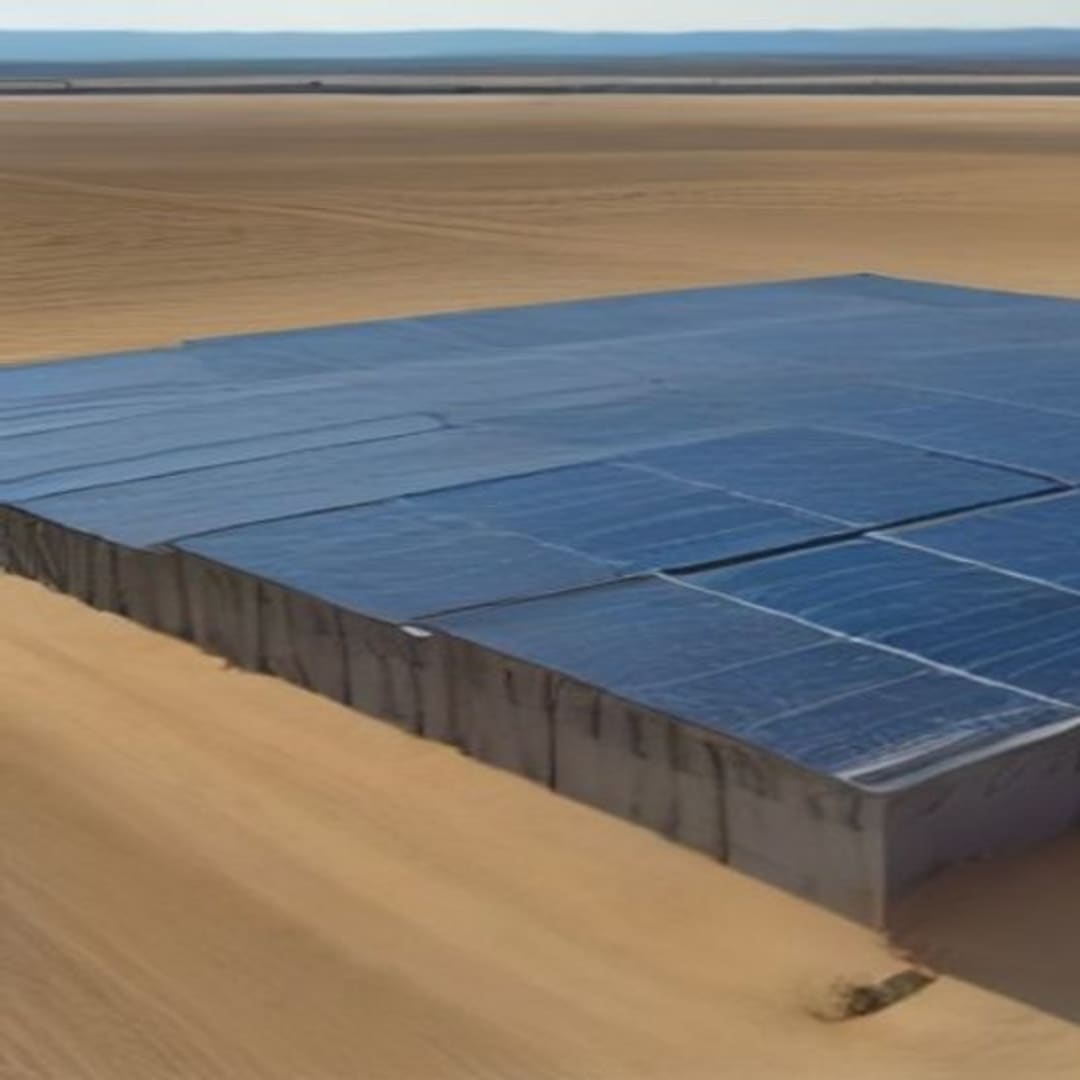
# Solar's Resilient Glow: Barmer's Villages Secure Harvests and Hydration Against Extreme Heat ## The Desert's Harsh Embrace: Barmer's Climate Challenge In the sun-baked expanse of Barmer, Rajasthan, where the Thar Desert asserts its dominance, life has always been a negotiation with the elements. But the terms of this negotiation are rapidly shifting. For generations, farmers like Sunder Lal in Dhani village have relied on ancient wisdom to coax sustenance from the arid earth. Yet, the wisdom of ancestors struggles against the new volatility of 2026.
"Last month, the grid went out for three days straight during a 47-degree Celsius spell," Sunder Lal recounts, his voice etched with the memory of loss. "My entire harvest of gourds, ready for market, simply rotted in the heat. It was gone, along with weeks of my effort and hope. " Sunder Lal's plight is not isolated; it's a stark illustration of India's escalating climate crisis manifesting in its most vulnerable pockets.
Barmer, a district where annual temperatures routinely soar past 45°C, faces a triple threat: intensifying heatwaves, erratic and insufficient monsoon rainfall, and rapidly depleting, often saline, groundwater reserves. This confluence of environmental stressors puts immense pressure on a populace largely dependent on agriculture – bajra, guar, groundnut, and increasingly, vegetables. The traditional rhythm of life, once dictated by predictable seasons, is now disrupted by unprecedented extremes, threatening livelihoods, food security, and public health. ## Beyond Illumination: Solar's New Frontier in Resilience For years, the narrative around rural solar in India focused on basic electrification – lighting homes, powering small shops.
While transformative, this was merely the tip of the iceberg. Today, as climate change accelerates, solar is evolving from a mere source of light to a critical enabler of resilience, forming the backbone of life-sustaining infrastructure in places like Barmer. Decentralized solar solutions are proving indispensable, sidestepping the often-unreliable central grid and eliminating the costly, polluting dependency on diesel generators, especially in remote hamlets where grid access remains patchy or non-existent. This new frontier involves deploying solar micro-grids and standalone systems designed for specific, crucial community needs.
It's a strategic pivot, recognizing that clean energy is not just about reducing carbon footprints, but about building immediate, tangible defenses against the harsh realities of a warming planet. ## Chilling Hope: Solar-Powered Cold Storage Transforms Agriculture The searing heat of Barmer has historically rendered cultivation of perishable crops a high-stakes gamble. Post-harvest losses, often exceeding 20-25% for vegetables, were an accepted, painful reality for farmers. However, a silent revolution is unfolding through **solar-powered community cold storage units**.
One such initiative, championed by local Farmer Producer Organizations (FPOs) with support from the Rajasthan Renewable Energy Corporation Limited (RRECL) and partner NGOs, has established a 5-metric-ton cold storage facility in a cluster of villages near Balotra. This unit, entirely powered by an array of solar panels and battery banks, operates independently of the erratic grid. For farmers growing tomatoes, gourds, and leafy greens, this facility has been a game-changer. They can now store their produce for several days, sometimes even a week, without spoilage.
“Before the solar cold storage, we had to sell immediately, often at throwaway prices, or watch our hard work rot,” explains Meena Devi, who cultivates a small plot of vegetables. “Now, we can wait for better market rates, even send our produce to larger towns like Jodhpur. Our income has increased by almost 15% this season alone. ” This not only significantly reduces post-harvest waste but also stabilizes market prices, empowering farmers by giving them greater control over their produce and financial destiny.
These decentralized cold chains are allowing diversification into higher-value crops, previously unthinkable in Barmer's climate. ## Quenching Thirst: Solar for Safe Water Access Beyond securing harvests, the most fundamental element of survival in Barmer is water. The region's groundwater is notoriously saline, often contaminated with fluoride or other minerals, rendering it unfit for consumption. Women and girls, burdened with the task of fetching water, spend countless hours trekking miles under the scorching sun to access distant, often dubious, sources.
The advent of **solar-powered Reverse Osmosis (RO) plants** is rewriting this narrative of scarcity and struggle. In villages like Samdari and Gudamalani, community-managed solar RO plants are now providing a steady supply of potable water. These systems leverage solar energy to purify brackish groundwater, transforming it into safe drinking water for hundreds of families daily. The impact on public health is profound.
Cases of water-borne diseases, once common, have seen a noticeable decline. More critically, the social burden on women has been significantly eased. "I used to spend three hours every day walking to the handpump in the next village," says eighteen-year-old Pooja, who now has more time for her studies. "Now, clean water is available right here, every day.
" Initiatives by the Rajasthan Drinking Water Supply & Sewerage Corporation Limited (RWSSC), often in collaboration with local panchayats and community groups, are expanding this network, demonstrating a potent, climate-resilient solution to a perennial challenge. ## A Holistic Transformation: Economic, Social, and Environmental Ripples The decentralized solar revolution in Barmer extends far beyond individual benefits, creating a cascade of positive economic, social, and environmental ripples: * **Economic Empowerment**: Farmers are diversifying crops, accessing better markets, and generating higher incomes. New local jobs are emerging for the installation, operation, and maintenance of these solar systems. The reduced reliance on expensive diesel also lowers operational costs for both agricultural and water infrastructure.
* **Social Cohesion and Women's Empowerment**: Community-managed solar projects foster a sense of collective ownership and cooperation. Women, traditionally disproportionately affected by water scarcity and agricultural vulnerability, are finding more time for income-generating activities, education, and community leadership roles. * **Environmental Stewardship**: By replacing diesel generators, these solar solutions drastically cut down carbon emissions, contributing to India's climate goals. They also improve local air quality, a critical benefit in a country grappling with dangerous pollution levels.
## Navigating the Path Forward: Challenges and Opportunities While the success stories from Barmer are inspiring, the path forward is not without its challenges. Initial investment costs for such infrastructure, though offset by long-term operational savings, can be substantial. Ensuring adequate local capacity for maintenance and repairs, securing community buy-in, and establishing equitable access mechanisms are crucial. Land availability for larger solar installations can also be a constraint in densely populated or agriculturally intensive areas.
However, the opportunities for scalability and replication are immense. State-specific solar policies, coupled with central government schemes promoting decentralized renewables, provide a fertile ground for growth. Technological advancements in battery storage and energy efficiency are making these systems more robust and cost-effective. The key lies in integrated planning, robust financial models that blend public and private investment, and continuous capacity building for local communities to truly own and manage these vital assets.
## Barmer's Beacon: A Model for Climate Resilience Barmer's journey is a powerful testament to how decentralized solar power is not merely an energy solution, but a fundamental building block for climate resilience. It illustrates how innovation, when tailored to local needs and vulnerabilities, can empower communities to withstand the increasing pressures of a warming world. From securing fragile harvests against scorching heat to ensuring access to safe drinking water in an arid landscape, solar is proving to be a lifeline. As India confronts unprecedented climate challenges, the pragmatic, community-focused deployment of solar in places like Barmer offers a compelling model.
It’s a beacon of hope, demonstrating that even in the face of extreme adversity, intelligent deployment of renewable energy can foster stability, improve livelihoods, and safeguard the well-being of millions, setting a precedent for climate-vulnerable regions not just across India, but globally.