Climate Change
Assam's Char Villages: Solar Microgrids Anchor Climate Resilience
Amidst increasing climate volatility, solar microgrids are transforming Assam's remote riverine communities into self-sufficient bastions of resilience and hope.
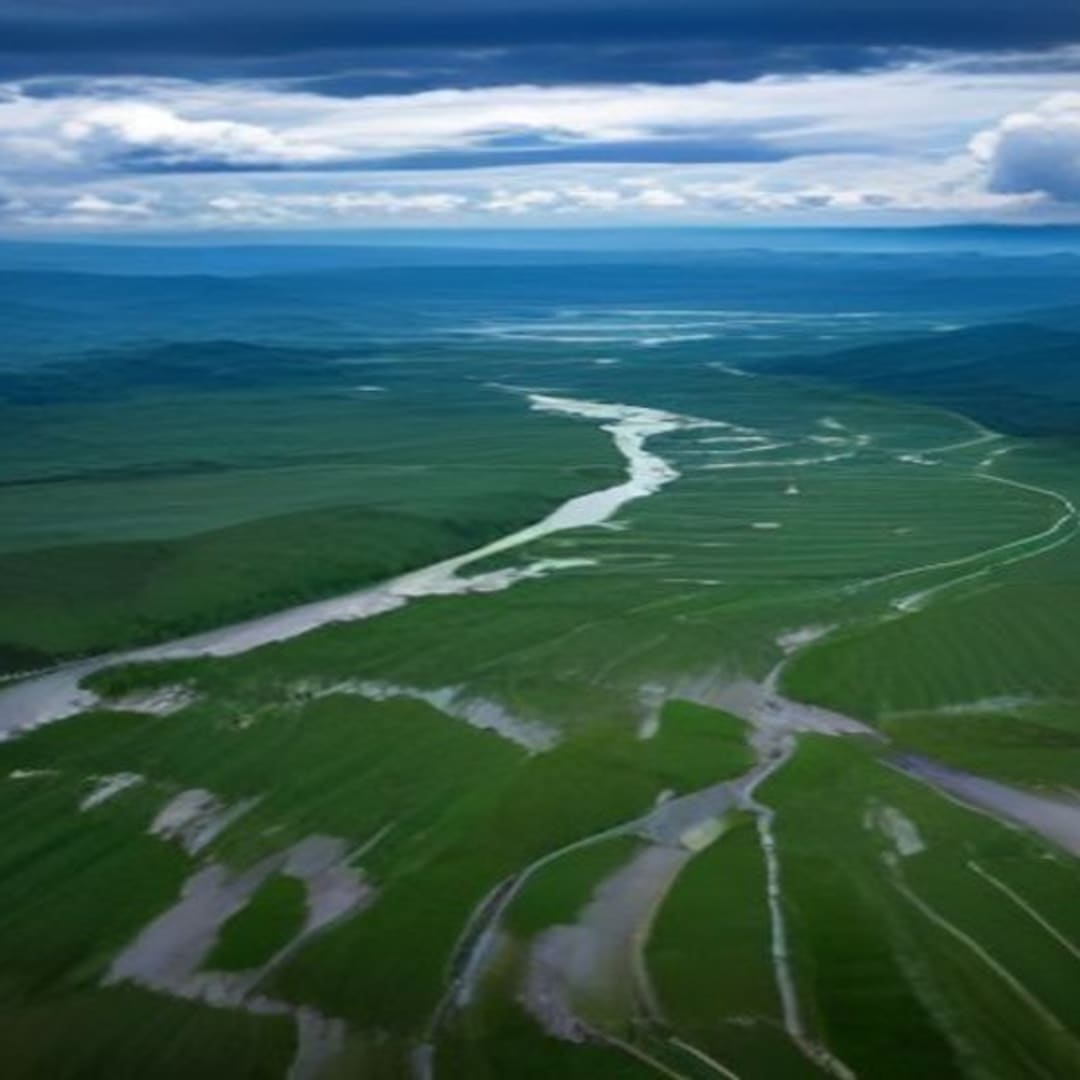
The monsoon of 2026 brought its usual deluge to Assam, but for the residents of Bhogpur Char in Majuli district, something profound had changed. Historically, when the Brahmaputra swelled, cutting off the island from the mainland, darkness and isolation descended. Kerosene lamps flickered weakly, mobile phones died without charge, and the hum of a distant diesel generator was a rare, expensive luxury. This year, however, as the floodwaters rose, a steady glow emanated from homes and community centres, powered by miniature suns – solar microgrids.
Today, 19 September 2026, as India grapples with unprecedented climate challenges – from record temperatures to erratic monsoons – the story of Bhogpur Char offers a powerful counter-narrative. It’s a testament to how decentralized clean energy, specifically solar microgrids, is not just about electrification, but about forging deep-seated resilience in the face of escalating climate extremes. ## The Brahmaputra’s Embrace: A Life of Peril and Promise The char lands of Assam, dynamic riverine islands formed by the shifting sands of the Brahmaputra, are home to millions. These fertile but volatile landscapes are a paradox: offering livelihoods through agriculture and fishing, yet perpetually threatened by the river's whims.
Annual floods are a given, but climate change has amplified their intensity and unpredictability. Erratic monsoon patterns, as highlighted in recent national news, mean either devastating deluges or prolonged dry spells, both impacting the delicate balance of life on the chars. For generations, communities here have lived on the fringes of modern infrastructure. Grid electricity, if it ever reached, was unreliable, vulnerable to the very floods that define life.
This perpetual lack of power translates into a cascade of disadvantages: limited educational opportunities beyond daylight hours, lack of cold storage for perishable goods, reliance on polluting and expensive kerosene for lighting, and perhaps most critically, a severe handicap during emergencies. When floods sever physical connectivity, the absence of power means no communication, no emergency lighting, and no means to power critical health services. ## Decentralized Power, Central to Survival: The Microgrid Revolution The solution emerging from this confluence of vulnerability and necessity is the solar microgrid. Unlike traditional grid extensions that require extensive, flood-vulnerable infrastructure, microgrids are self-contained energy systems.
They generate electricity locally, typically from solar panels, store it in batteries, and distribute it within a confined geographical area – perfect for an isolated char village. For char areas, these systems are a game-changer. They bypass the logistical nightmares and high costs of connecting to a distant national grid. They are designed for local control, often managed by community groups or local entrepreneurs, fostering a sense of ownership and self-reliance.
This decentralization is key to resilience; when the main grid fails, the microgrid stands strong, an energy island in itself. ## Resilience Unbound: Solar’s Multi-faceted Impact The benefits extend far beyond simply providing light. Solar microgrids are weaving a fabric of resilience that touches every aspect of life in these vulnerable communities: ### 1. Lifeline During Disasters This is perhaps the most critical aspect.
When floodwaters inundate the chars, transportation grinds to a halt. Power becomes a matter of survival. Solar microgrids ensure: * **Communication:** Residents can charge their mobile phones, allowing them to connect with family on the mainland, access government helplines, and receive early warnings. This capability is invaluable in an emergency, saving lives and coordinating relief efforts.
* **Emergency Lighting:** Community shelters and health posts remain lit, providing safety and visibility. This is crucial for medical emergencies, especially when medical personnel might be forced to operate in challenging conditions. * **Water Security:** Small-scale solar-powered water purification systems can operate, providing access to clean drinking water, a vital commodity when traditional sources are contaminated by floodwaters. ### 2.
Economic Empowerment and Stability Reliable electricity unleashes economic potential previously stifled by darkness and expensive fuel sources. Artisans can work longer hours, petty shops can extend their operating times, and small-scale industries like rice hulling or weaving – common in char areas – can thrive. The reduction in reliance on costly diesel generators also frees up household income for other necessities. Furthermore, the installation and maintenance of these microgrids create local employment opportunities, training a new generation of solar technicians within the community.
### 3. Social and Educational Upliftment With consistent power, children can study after dusk, improving educational outcomes. Community centres can host evening gatherings, workshops, and skill-building programs. The switch from kerosene to clean solar lighting significantly reduces indoor air pollution, leading to tangible health benefits, particularly for women and children who spend more time indoors.
This also reduces the risk of accidental fires, a common peril with kerosene lamps. ## Pioneering Paths: Assam’s Foray into Solar Resilience The **Assam Energy Development Agency (AEDA)** has been at the forefront of promoting Decentralized Renewable Energy (DRE) projects across the state, recognizing the unique challenges of regions like the char lands. Through strategic partnerships with non-governmental organizations and private developers, AEDA has facilitated the deployment of several solar microgrid projects, transforming pockets of darkness into vibrant hubs of activity. For instance, in a cluster of villages near Majuli, a 25 kW solar microgrid, installed with community participation, now powers not just homes but also a common charging station, a small health clinic, and streetlights.
This initiative has been instrumental in reducing post-flood health risks by allowing the clinic to store essential medicines and operate consistently. The success stories are accumulating, demonstrating that these are not isolated experiments but replicable models for climate adaptation. ## Challenges and the Road Ahead Despite the clear advantages, scaling up these initiatives is not without hurdles. The initial capital investment for microgrids, while lower than grid extension, can still be substantial.
Ensuring long-term maintenance in harsh, flood-prone environments requires robust planning, continuous training for local technicians, and reliable supply chains for spare parts. Community ownership models, while empowering, need careful nurturing and strong institutional support to ensure equitable access and sustainable management. Moving forward, a comprehensive policy framework that incentivizes DRE projects, simplifies regulatory processes, and provides access to affordable financing will be critical. Integrating microgrids into broader disaster management plans and state-level climate adaptation strategies will amplify their impact.
Lessons learned from Assam’s char lands can serve as a blueprint for other vulnerable regions across India, from remote Himalayan villages to cyclone-prone coastal hamlets. ## Conclusion: A Blueprint for India’s Climate Future The narrative of Bhogpur Char and countless other riverine villages is a powerful emblem of India's climate journey. It moves beyond the often-depressing headlines of rising temperatures and critical air pollution, offering a tangible path to resilience and self-sufficiency. As India navigates the complex realities of a changing climate, the focused expansion of solar microgrids in its most vulnerable pockets is not merely an energy solution – it is an investment in human dignity, economic stability, and the very future of communities living on the frontlines of environmental change.
The sun, once just a distant celestial body, has become an anchor of hope and a beacon of preparedness for a future defined by uncertainty.