Climate Change
Arabian Sea's Boiling Point: Marine Heatwaves Threaten India's Blue Economy
Unpacking the escalating crisis as warming ocean waters disrupt coastal ecosystems and imperil the livelihoods of millions of fisherfolk.
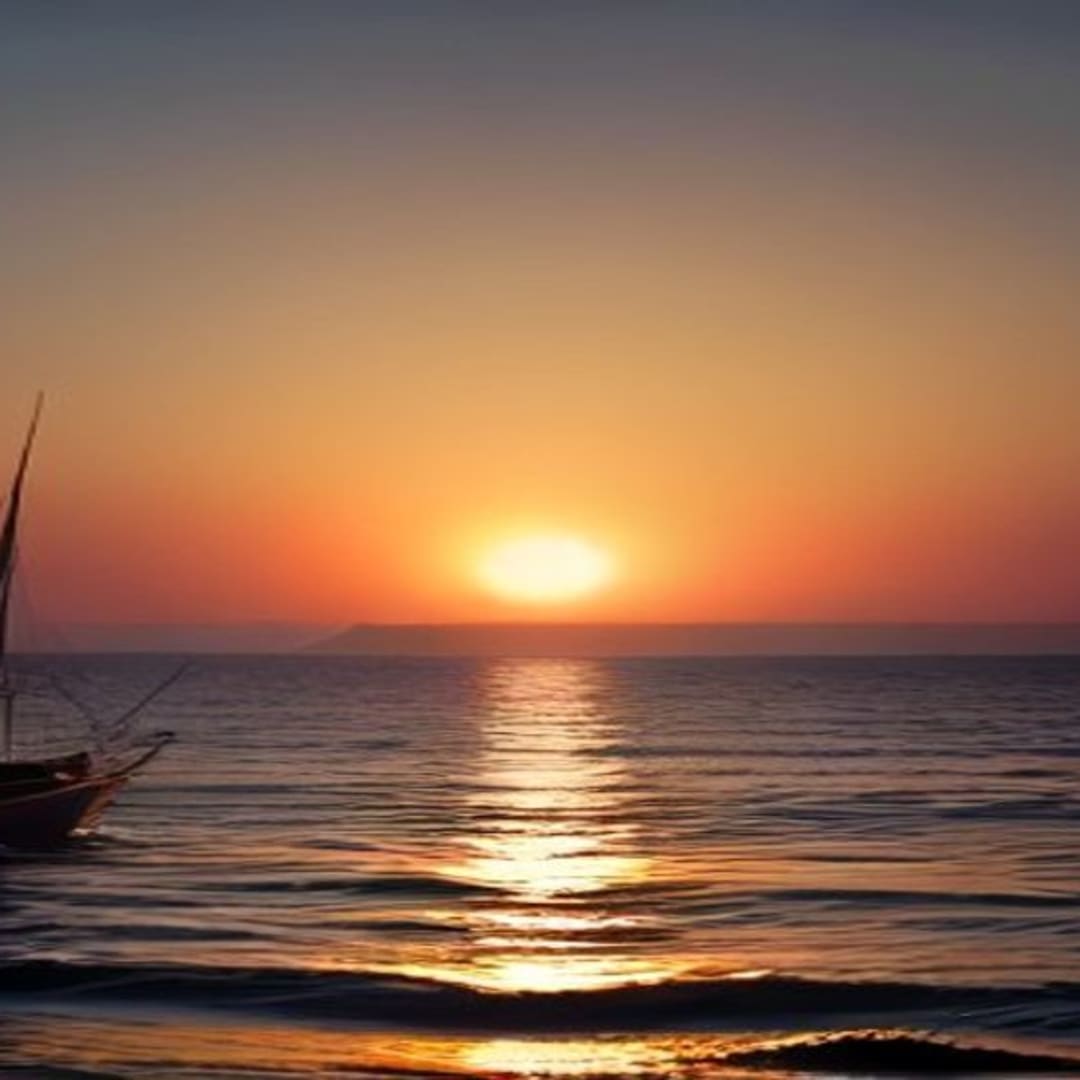
The morning mist usually brings a promise to Ratnagiri's shores, a cool kiss before the sun asserts its dominance. But for Ramesh Koli, a third-generation fisherman, the sea has changed its tune. "The water feels different now," he says, his gaze scanning the horizon where his small boat, the ' Sagar Asha,' bobs gently. "Warmer.
And with it, the fish have become elusive, or sometimes, they just... vanish. " Ramesh's story is not an isolated lament; it's a chilling echo from fishing villages stretching along India's entire western coastline, from Gujarat to Kerala. Today, 4 September 2026, as India grapples with the visible manifestations of a deepening climate crisis – from scorching land temperatures to erratic monsoons – a more insidious threat is brewing beneath the waves: marine heatwaves (MHWs).
These prolonged periods of unusually warm ocean temperatures are transforming the Arabian Sea into a volatile cauldron, directly jeopardising India's vital 'Blue Economy' and the millions of lives intertwined with its marine ecosystems. ## The Unseen Fire: Understanding Marine Heatwaves in the Arabian Sea The Arabian Sea, once famed for its rich biodiversity and productive fisheries, is now one of the fastest-warming regions in the world's oceans. Recent data from the Indian National Centre for Ocean Information Services (INCOIS) and the India Meteorological Department (IMD) reveal a troubling trend: the frequency, intensity, and duration of marine heatwaves in the Arabian Sea have surged dramatically over the past two decades. While global oceans have warmed by approximately 0.
7°C over the last century, parts of the Arabian Sea have experienced warming rates significantly higher, pushing its ecosystems to their thermal limits. Marine heatwaves are natural phenomena, but their increased occurrence and severity are unequivocally linked to anthropogenic climate change. They occur when sea surface temperatures remain in the top 10% of historical values for at least five consecutive days. These oceanic 'heatwaves' are far more than just a rise in temperature; they represent a profound disruption to the delicate balance of marine life, impacting everything from microscopic plankton to apex predators.
## Ecosystems Under Siege: From Corals to Commercial Catches The immediate and devastating impact of marine heatwaves is often seen in coral bleaching events. India's precious coral reefs, particularly those in Lakshadweep and the Gulf of Kutch, are highly vulnerable. When water temperatures rise beyond their tolerance, corals expel the symbiotic algae living in their tissues, turning white and eventually dying if the stress persists. These reefs are not just beautiful; they are biodiversity hotspots, acting as nurseries for countless fish species and protecting coastlines from erosion.
Beyond corals, MHWs wreak havoc across the entire marine food web: * **Fisheries Disruption:** Fish, being cold-blooded, are highly sensitive to temperature changes. MHWs can force commercially important species like sardines, mackerel, and anchovies to migrate to cooler waters, altering their distribution and making them harder for traditional fisherfolk to find. This unpredictable movement leads to reduced catches, increased fuel costs as boats travel further, and significant economic losses. The ICAR-Central Marine Fisheries Research Institute (CMFRI) has reported shifts in fish landings and an increase in 'unusual' species in traditional fishing grounds, indicative of thermal stress and migration.
* **Mass Mortality Events:** Extreme heat can lead to mass die-offs of marine organisms, from shellfish to larger fish, if they cannot escape the warming waters. This not only depletes stocks but also creates ecological imbalances. * **Algal Blooms:** Warmer waters can favour the proliferation of harmful algal blooms (HABs), which deplete oxygen, produce toxins, and can contaminate seafood, posing risks to both marine life and human health. * **Mangrove and Seagrass Stress:** While more resilient than corals, mangroves and seagrass beds, crucial nursery grounds and carbon sinks, can also experience stress from prolonged extreme temperatures, affecting their growth and ability to support associated fauna.
## The Human Toll: Livelihoods on the Line The most profound impact of marine heatwaves is borne by India's vast coastal communities, especially the millions of small-scale fisherfolk who depend directly on the ocean's bounty. For them, reduced catches mean reduced income, pushing families already living on the margins deeper into poverty. "My father and grandfather always knew where the fish would be," says Meena Devi, a fish vendor from Goa. "Now, it's a gamble every day.
We wait for the boats, but often, they come back half-empty, or worse, empty-handed. " This economic instability has far-reaching consequences: * **Food Security:** With declining fish stocks, a vital source of protein and nutrition for coastal populations is threatened, exacerbating existing food security challenges. * **Increased Debt:** Fisherfolk are forced to take on more debt to cover fuel and operational costs for increasingly unproductive trips. * **Social Disruption:** The breakdown of traditional livelihoods often leads to distress migration, social unrest, and a loss of cultural heritage tied to the sea.
* **Impact on Blue Economy Vision:** India's ambitious 'Blue Economy' policy aims to harness ocean resources sustainably for economic growth. Marine heatwaves directly undermine this vision, jeopardising sectors like fisheries, aquaculture, and coastal tourism, which rely on healthy marine ecosystems. ## Charting a Course Through Troubled Waters: Adaptation and Mitigation Addressing the crisis of marine heatwaves in the Arabian Sea requires a multi-pronged approach, integrating robust scientific understanding with adaptive community strategies and strong policy frameworks. 1.
**Enhanced Monitoring and Early Warning Systems:** Agencies like INCOIS and IMD are crucial in providing real-time data and forecasts of MHWs. Strengthening these capabilities, and effectively disseminating warnings to fishing communities in local languages, can help fisherfolk make informed decisions about their voyages and adapt their strategies. 2. **Sustainable Fisheries Management:** Implementing dynamic fisheries management plans that can adapt to changing fish distributions and abundance is essential.
This includes enforcing sustainable fishing quotas, promoting selective fishing gear, and establishing marine protected areas that serve as refugia for species during heat stress. 3. **Ecosystem Restoration and Resilience:** Investing in the restoration of critical coastal habitats such as coral reefs, mangroves, and seagrass beds can enhance the overall resilience of marine ecosystems to climate shocks. These habitats provide vital buffers and nurseries for marine life.
4. **Livelihood Diversification:** Supporting coastal communities in diversifying their livelihoods beyond traditional fishing, perhaps into sustainable aquaculture, eco-tourism, or seaweed farming, can reduce their vulnerability to the vagaries of climate change. 5. **Policy and Research Integration:** The government, in collaboration with research bodies like CMFRI, needs to integrate MHW impacts into national coastal zone management plans and marine resource policies.
This includes funding further research into the specific vulnerabilities of Indian marine species and ecosystems to warming trends. 6. **Global Climate Action:** Ultimately, the long-term solution lies in aggressive global efforts to reduce greenhouse gas emissions. India, as a major developing economy, has a critical role to play in advocating for and implementing stronger climate mitigation policies that align with the Paris Agreement targets.
The Arabian Sea's rising temperatures are a stark reminder that India's climate crisis extends far beyond its landmass. The unseen fire beneath the waves demands urgent attention, a concerted effort to protect not just the marine ecosystems, but the very fabric of life and livelihoods along India's precious coastline. For fisherfolk like Ramesh Koli, the 'Sagar Asha' represents more than just a boat; it's a legacy and a future under threat. India must act decisively to ensure the ocean's bounty, and the communities it sustains, can endure this unprecedented warming.
The time to turn the tide against the boiling point is now.