Climate Change
Ahmedabad's Urban Fabric: Reimagining a City for Dual Climate Extremes
Amidst escalating heat and erratic monsoons, Ahmedabad pioneers urban strategies to structurally adapt its infrastructure and built environment.
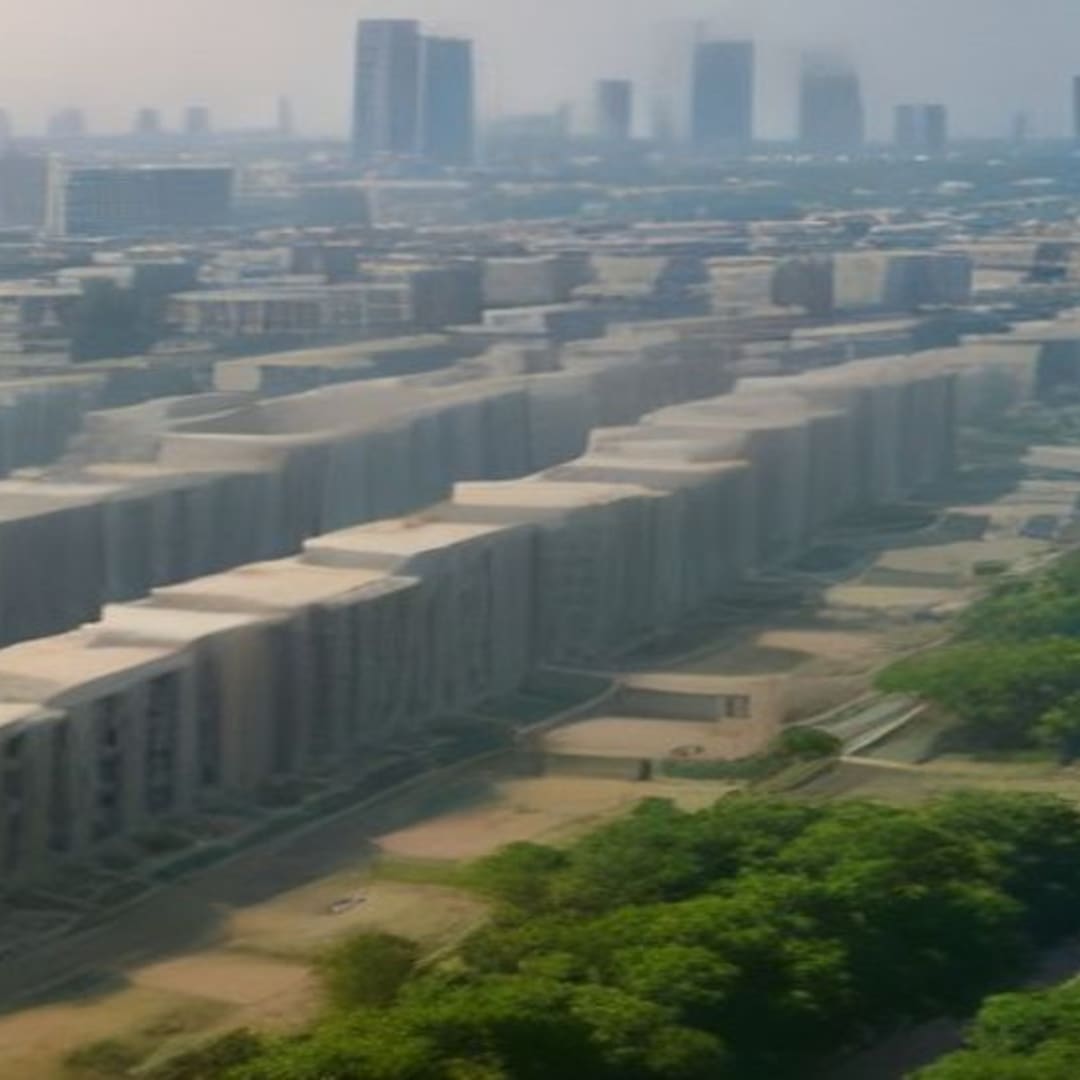
The mercury nudged 45 degrees Celsius, not an uncommon sight in Ahmedabad during its unforgiving summers. But on this particular afternoon in May 2026, the heat felt different—a dense, oppressive blanket that seemed to radiate from every concrete surface, every glass facade. The Sabarmati River, usually a lifeline, flowed visibly lower than usual, a stark reminder of the prolonged dry spells that now frequently punctuated the city’s increasingly unpredictable monsoon cycles. This isn't just about heat advisories or power cuts; it’s about the very skin of the city, its buildings, its roads, its green spaces, struggling to breathe and sustain life.
Ahmedabad, a sprawling metropolis in Gujarat, stands as a vivid microcosm of India’s intensifying climate crisis. While its pioneering Heat Action Plan (HAP) has garnered international acclaim for saving lives through early warnings and public awareness, the escalating temperatures and erratic monsoons demand a far deeper transformation. The challenge isn't merely to *cope* with extreme weather but to *redesign* the city's physical structure to withstand and thrive amidst these dual climate extremes. It’s a paradigm shift from reactive measures to proactive, embedded resilience.
## The Relentless Sun and the Thirsty City India, in 2026, grapples with record temperatures, erratic monsoons, and extreme weather events that threaten millions. Ahmedabad, a rapidly growing urban centre, feels this pressure acutely. Its dense urban core experiences the ‘Urban Heat Island’ (UHI) effect, where concrete, asphalt, and lack of green cover absorb and re-emit heat, making it significantly hotter than surrounding rural areas—often by 3-5 degrees Celsius. This amplified heat stress not only threatens public health but also strains infrastructure, increases energy demand for cooling, and exacerbates water evaporation.
Simultaneously, the city faces the capriciousness of the monsoon. Intense, short bursts of rain lead to flash floods, while prolonged dry spells deplete groundwater and surface reservoirs. This whipsaw pattern—from deluge to drought—undermines the city’s water security, impacting everything from daily household supply to industrial needs. The traditional approaches to urban development, which often prioritize rapid expansion over environmental integration, are proving woefully inadequate against these compounded threats.
## Reimagining the Built Environment: Beyond Concrete Jungles The fundamental premise of Ahmedabad's evolving climate strategy is that its built environment must cease to be a heat trap and a water guzzler, transforming instead into a climate buffer. This involves a multi-pronged approach to urban design and architecture: ### 1. Passive Cooling and Material Innovation Modern construction in India often relies heavily on glass and concrete, materials that are poor insulators and contribute significantly to heat gain. Ahmedabad is exploring a return to climate-sensitive architectural principles, blended with innovative modern materials.
This includes: * **Cool Roofs and Facades:** Promoting the use of reflective paints, tiles, and green roofs that absorb less solar radiation and re-emit less heat. The Ahmedabad Municipal Corporation (AMC) has been encouraging such initiatives, albeit with varying degrees of adoption. Studies have shown cool roofs can reduce indoor temperatures by 2-5 degrees Celsius, significantly lowering air conditioning loads and energy consumption. * **Shading and Ventilation:** Incorporating architectural elements like deep verandahs, jalis (perforated screens), and strategically placed windows to maximize natural ventilation and provide shade.
Research by institutions like CEPT University continues to inform urban design, advocating for passive cooling techniques and localized climate-sensitive architecture that respects the region's climate heritage. * **Local and Sustainable Materials:** Encouraging the use of traditional materials like terracotta, brick, and lime plaster, known for their thermal mass and breathability, while also exploring new, low-carbon, and locally sourced alternatives. ### 2. Weaving Water Resilience into the Urban Fabric Addressing water scarcity and erratic rainfall requires a fundamental shift in how Ahmedabad manages its urban water cycle.
The goal is to capture, conserve, and reuse every drop, transforming the city from a linear water consumer to a circular water manager. * **Decentralized Rainwater Harvesting:** Moving beyond large-scale dams, the focus is increasingly on localized rainwater harvesting at the building and community levels. The AMC has explored initiatives like mandating rainwater harvesting for new large constructions, a crucial step towards decentralizing water management and recharging local aquifers. This includes rooftop harvesting for potable use and surface runoff collection for landscaping and groundwater replenishment.
* **Wastewater Treatment and Reuse:** Investing in advanced wastewater treatment plants and creating infrastructure for the reuse of treated wastewater for non-potable purposes like irrigation, industrial processes, and toilet flushing. This reduces the strain on freshwater sources and mitigates pollution. * **Blue-Green Infrastructure (BGI):** Integrating natural water systems with urban development. This involves protecting and restoring urban wetlands, creating retention ponds, and developing bioswales and permeable pavements.
These elements help absorb excess rainwater, reduce flooding, filter pollutants, and recharge groundwater. Projects like the Sabarmati Riverfront Development, while multi-faceted, have introduced substantial green cover and flood management infrastructure, implicitly bolstering the city's blue-green resilience and offering recreational spaces that mitigate UHI effects. ## Green Lungs and Smart Growth: The Planning Imperative Beyond individual buildings and water systems, comprehensive urban planning is critical for Ahmedabad's climate resilience. This involves creating a greener, more breathable, and more efficiently designed city.
* **Expanding Urban Green Spaces:** Increasing tree cover and developing urban forests are paramount to mitigating the UHI effect. Trees provide shade, transpire water to cool the air, and absorb carbon dioxide. The AMC has undertaken plantation drives and developed green corridors, but the pace needs to accelerate to make a significant impact on urban temperatures. * **Transit-Oriented Development (TOD):** Promoting compact, mixed-use developments around public transport hubs reduces reliance on private vehicles, thereby lowering emissions and mitigating UHI effects by reducing expansive parking lots and road surfaces.
This also fosters denser, more walkable neighborhoods that inherently have less exposed surface area to heat. * **Zoning and Land Use Planning:** Strategic zoning to protect ecologically sensitive areas, restrict development in flood-prone zones, and encourage green building practices through incentives and regulations. This requires a robust regulatory framework and strong enforcement mechanisms. ## Navigating the Implementation Labyrinth The vision for a climate-resilient Ahmedabad is ambitious, but its execution faces significant hurdles.
Public awareness and participation, while growing, need further cultivation. The financial investment required for city-wide retrofitting and new green infrastructure is substantial, necessitating innovative funding mechanisms, including public-private partnerships and international climate finance. Perhaps the biggest challenge lies in the complex interplay of governance. Multiple agencies, from the municipal corporation to state and national bodies, must coordinate seamlessly.
Integrating climate resilience into every aspect of urban planning—from building codes to infrastructure projects—requires political will, sustained commitment, and a long-term perspective that transcends election cycles. ## Ahmedabad: A Blueprint for India’s Future Ahmedabad's journey towards climate resilience is more than a local endeavor; it offers invaluable lessons for India's other rapidly urbanizing cities. As temperatures continue their upward climb and monsoons grow more erratic, the question for cities across the subcontinent is not *if* they need to adapt, but *how* comprehensively and *how quickly*. Ahmedabad's efforts to embed climate adaptation into its very urban fabric—through architectural innovation, water circularity, and green planning—demonstrate a powerful, proactive model.
It’s a testament to the idea that with foresight and concerted action, India’s cities can be reimagined not as vulnerable hotbeds, but as resilient havens capable of weathering the intensifying storms of climate change. The future of millions depends on cities willing to structurally transform themselves for a heated, thirsty tomorrow.