Climate Change
Ahmedabad's Silent Crisis: Elder Health Crumbles Under Relentless Heat
India's rising temperatures are hitting Ahmedabad's elderly hardest, exposing critical gaps in urban climate resilience.
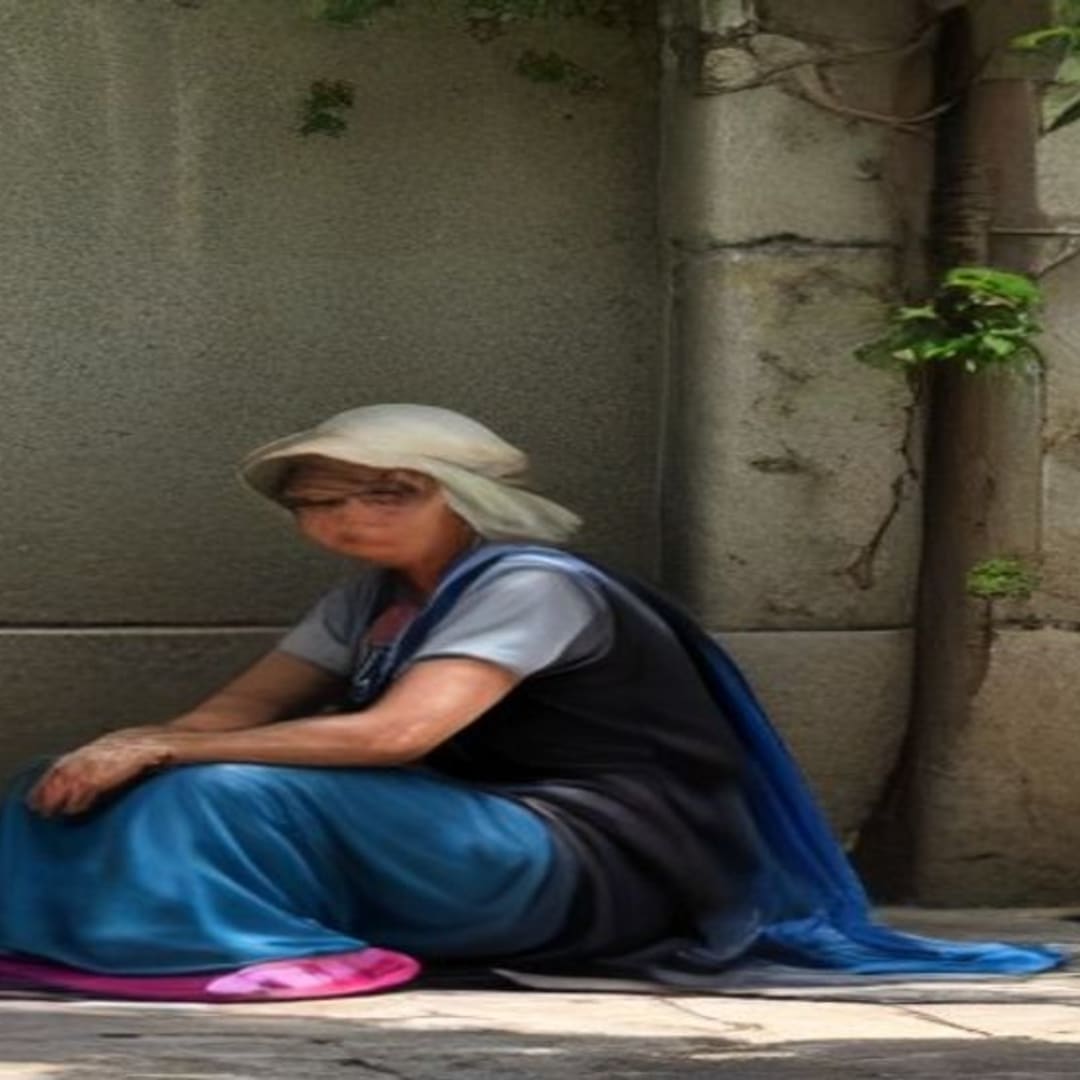
The mercury had barely dipped below 40 degrees Celsius for a week straight in Ahmedabad. Inside her small, sun-baked home in the old city’s Dhobi ni Pol, 78-year-old Kantaben Patel struggled for breath. The ceiling fan whirred a futile fight against the furnace-like air, stirring only more hot dust. Her daily glass of buttermilk, usually a comfort, felt too heavy to lift.
"This isn't the Ahmedabad I knew," she whispered, her voice raspy. "The summers used to be tough, yes, but not like this. It feels like the sun itself is trying to get inside you. " Kantaben’s struggle is not an isolated incident.
Across India, as the climate crisis intensifies, record temperatures and erratic weather patterns are pushing millions to their limits. But in the bustling urban centres, where concrete traps heat and green spaces dwindle, the threat becomes particularly acute. And for a demographic often overlooked in the broader climate discourse – the elderly – the consequences are proving catastrophic. ## Ahmedabad: A Pioneer Under Pressure Ahmedabad, a city of over eight million, has long been hailed as a pioneer in climate adaptation.
In 2013, following a devastating heatwave in 2010 that claimed hundreds of lives, the city launched India's first-ever Heat Action Plan (AHAP). Developed in collaboration with the Indian Institute of Public Health (IIPH), Gandhinagar, and international partners, the AHAP established an early warning system, promoted cooling centres, and raised public awareness about heat stress. For years, it was a beacon, showing how proactive governance could mitigate climate impacts. However, 2026 has presented an unprecedented challenge.
With an alarming increase in the number of recorded heatwave days – surpassing historical averages by nearly 30% this year alone, according to Ahmedabad Municipal Corporation (AMC) data – the city’s meticulously crafted plan is buckling under relentless pressure. The very infrastructure of resilience, designed for previous extremes, is finding itself inadequate against the escalating ferocity of the new normal. ## The Invisible Vulnerability: India's Aging Population While heatwaves affect everyone, the elderly are disproportionately vulnerable. Their bodies regulate temperature less efficiently, making them more susceptible to dehydration, heat stroke, and exacerbation of pre-existing conditions like cardiovascular disease, respiratory illnesses, and kidney problems.
Many elderly individuals also take medications that interfere with temperature regulation or increase fluid loss, further compounding their risk. Social isolation is another critical factor. Many older persons live alone or have limited social networks, meaning warning signs of heat stress might go unnoticed. Economic constraints also play a role; for those on fixed incomes, affording air conditioning or even frequent access to public cooling spaces can be a significant burden.
Kantaben, for instance, relies on a single fan and traditional methods like splashing water on her floor – methods increasingly ineffective against the sustained, extreme heat. Dr. Priya Sharma, a public health expert at IIPH Gandhinagar, highlights the grim reality. "We've seen a disturbing spike in heat-related emergency room visits among individuals over 65 this summer," she states.
"The AHAP has done incredible work in general awareness, but the needs of the elderly are distinct. They require more targeted messaging, accessible and age-appropriate cooling solutions, and a robust community support system that proactively checks on them. Many simply don't have the mobility or the social connections to access the existing cooling centres, especially during peak heat hours. " ## Gaps in the Safety Net Despite the AHAP's comprehensive approach, specific gaps in protecting the elderly have become glaringly apparent.
While public cooling centres exist, their location, accessibility, and awareness among the elderly are often insufficient. Many are not equipped with comfortable seating, accessible restrooms, or staff trained to assist those with mobility issues or cognitive impairments. Furthermore, the stigma associated with seeking public assistance can prevent some elderly from utilizing these resources. Urban planning, too, plays a part.
The dense, concrete-laden neighbourhoods in older parts of Ahmedabad, like Dhobi ni Pol, are prime examples of the Urban Heat Island effect, where temperatures are several degrees higher than in greener, more open areas. The lack of green spaces, permeable surfaces, and adequate ventilation in these areas exacerbates the heat burden on residents, particularly the elderly who cannot easily relocate or escape. Beyond immediate health, the relentless heat also impacts the mental well-being of the elderly. Constant discomfort, fear of illness, and reduced ability to participate in social activities contribute to increased anxiety, depression, and feelings of helplessness.
The joy of spending evenings outdoors, a common practice for older Indians, is now replaced by confinement and dread. ## Towards a Compassionate, Climate-Resilient Future Addressing this silent crisis requires a multi-pronged, empathetic approach: 1. **Enhanced Early Warning and Targeted Outreach:** Leveraging digital and traditional communication channels to deliver heat advisories directly to the elderly and their caregivers, perhaps through dedicated community health workers or local volunteers. 2.
**Age-Appropriate Cooling Infrastructure:** Establishing cooling centres specifically designed for the elderly, with comfortable seating, medical staff, and transportation assistance. Integrating passive cooling techniques in homes and public spaces. 3. **Green and Blue Infrastructure:** Aggressively planting trees, creating urban parks, and developing water bodies in dense urban areas to naturally lower ambient temperatures and reduce the Urban Heat Island effect.
Prioritizing these interventions in neighbourhoods with high elderly populations. 4. **Community Support Networks:** Building robust neighbourhood watch programs and volunteer networks to regularly check on elderly residents, provide assistance, and facilitate access to resources. This could be integrated with existing local governance structures like the AMC's ward offices.
5. **Policy and Data Disaggregation:** Mandating better data collection on heat-related morbidity and mortality specifically for the elderly to inform more precise interventions. Integrating elderly-specific vulnerabilities into all urban climate adaptation plans. The story of Kantaben Patel and millions like her in Ahmedabad is a poignant reminder that climate change is not a distant threat; it is a lived reality, disproportionately impacting the most vulnerable among us.
India's pioneering efforts in climate action must now evolve to recognize and specifically address the unique challenges faced by its aging population. Only then can we truly build a climate-resilient future that leaves no one behind, ensuring dignity and safety even in the face of a warming world.