Climate Change
Ahmedabad's Concrete Furnace: Infrastructure Under Siege
Despite pioneering India's first Heat Action Plan, the city grapples with relentless heat's devastating toll on roads, power grids, and daily life.
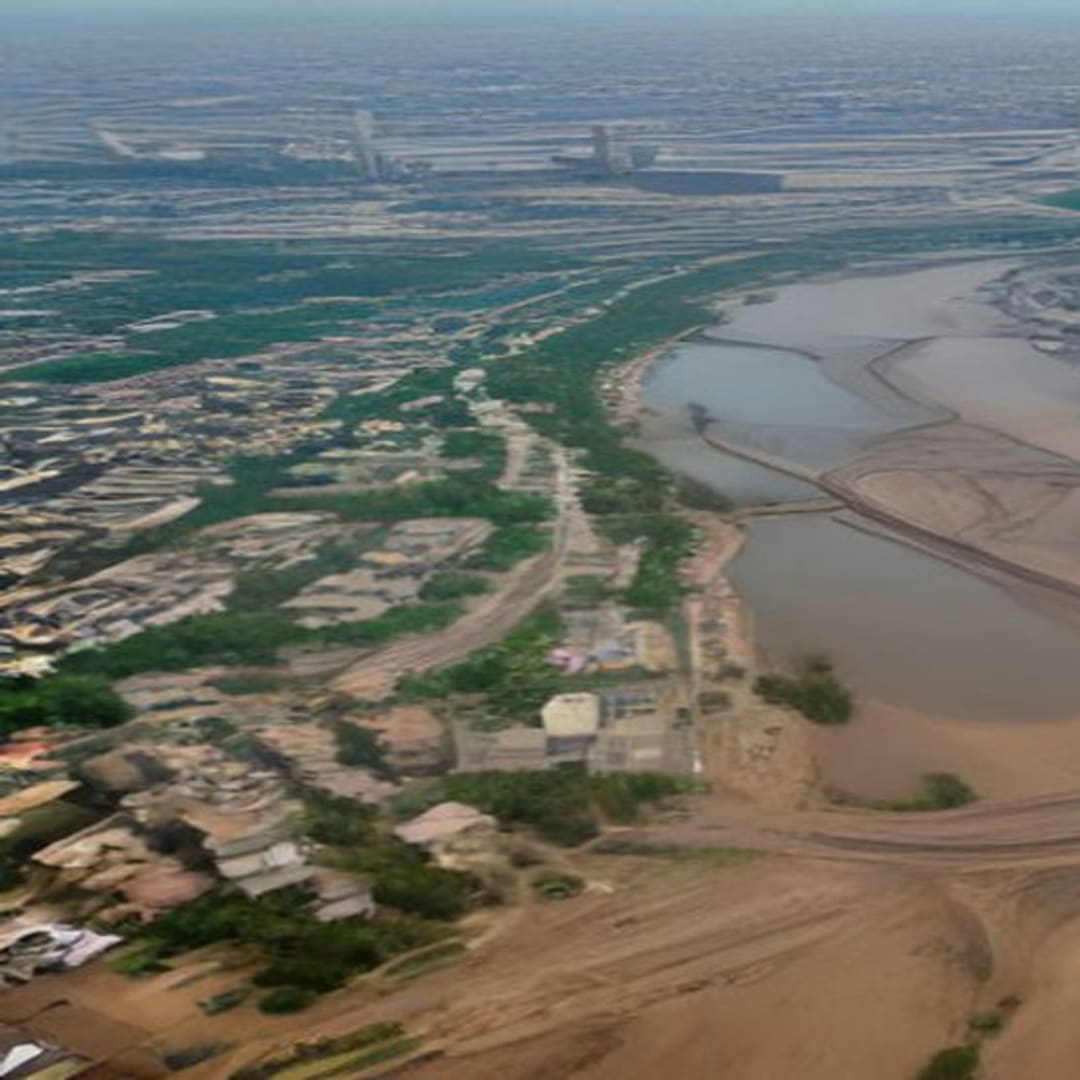
# Ahmedabad's Concrete Furnace: Infrastructure Under Siege Ahmedabad, 14 October 2026 – The scorching sun has become a permanent fixture over Ahmedabad, painting a grim picture of India's intensifying climate crisis. From the bustling lanes of Kalupur to the modern high-rises of Vastrapur, a city once heralded for its pioneering Heat Action Plan (HAP) now finds its very foundations buckling under relentless, record-breaking temperatures. This isn't just about human comfort; it's about the physical skeleton of a rapidly expanding metropolis, its roads, power grids, and vital services, straining to survive in a future already here. For over a decade, Ahmedabad has been a beacon of resilience, launching South Asia's first HAP in 2013, a collaborative effort between the Ahmedabad Municipal Corporation (AMC) and the Natural Resources Defense Council (NRDC).
This plan has undeniably saved thousands of lives, implementing early warning systems, public cooling centers, and awareness campaigns. Yet, as India witnesses unprecedented climate challenges in 2026, with temperatures routinely soaring beyond historical norms, the city's built environment reveals a deeper vulnerability that even the most innovative plans struggle to contain. ## The Urban Heat Island's Relentless Grip The phenomenon of the Urban Heat Island (UHI) effect, where urban areas are significantly warmer than their rural surroundings, is particularly pronounced in Ahmedabad. Its sprawling concrete jungle – a mosaic of buildings, asphalt roads, and sparse green cover – absorbs and re-emits solar radiation, trapping heat and creating an inferno that persists long after sunset.
This isn't a new challenge, but its intensity is escalating. The city's rapid urbanization, driven by economic growth, has often prioritized concrete expansion over ecological balance, resulting in a built environment that actively magnifies the heat crisis. Consider the city's arterial roads, once smooth conduits of commerce. In peak summer, asphalt temperatures can exceed 60°C, leading to premature deterioration, cracks, and pot-holes that complicate traffic and necessitate constant, costly repairs.
The very infrastructure designed for connectivity becomes a heat-radiating surface, making pedestrian movement unbearable and increasing wear and tear on vehicles. This isn't merely an inconvenience; it's a direct threat to urban mobility and logistics, impacting everything from daily commutes to supply chains. ## Infrastructure Under Duress: A City's Core Services Tested The impact extends far beyond surface roads. Ahmedabad's critical infrastructure, the unseen arteries of urban life, is under immense duress: ### The Straining Power Grid As temperatures climb, so does the demand for cooling.
Air conditioners hum incessantly, pushing the city's electricity grid to its absolute limits. Gujarat's power utility, Paschim Gujarat Vij Company Limited (PGVCL), reports a noticeable increase in peak load during heatwaves, leading to localized power outages and voltage fluctuations. Transformers, designed for specific operating temperatures, overheat and fail, causing cascading disruptions that leave entire neighborhoods without electricity, exacerbating the heat's impact, especially for vulnerable populations without access to cooling centers or backup power. The increased energy consumption also often means relying on more fossil fuels, creating a vicious cycle of emissions and further warming.
### Water Supply: Evaporation, Demand, and Degradation Water, already a precious resource in many parts of Gujarat, faces a dual threat. Increased evaporation from open reservoirs and distribution networks means more water is lost before it even reaches homes. Simultaneously, demand surges as residents seek relief through increased bathing and drinking. But the heat also stresses the physical pipes themselves.
Extreme ground temperatures can accelerate the degradation of underground pipes, leading to leaks and bursts, compounding water scarcity issues and necessitating emergency repairs that disrupt supply and waste precious resources. The very system meant to bring relief becomes a casualty of the crisis. ### Public Spaces and Urban Livability Ahmedabad's vibrant public spaces, from its historic pols to the modern Sabarmati Riverfront, are essential for social cohesion. Yet, extreme heat renders many of these spaces unusable during large parts of the day.
Parks become scorching expanses of baked earth, market areas are deserted, and outdoor activities cease. This doesn't just impact leisure; it affects daily livelihoods for street vendors, construction workers, and anyone whose life depends on interacting with the public realm. The city's 'livability index' plummets, impacting mental health and community well-being, as people are forced indoors, isolated from their social networks. ## Beyond Immediate Relief: Reimagining Ahmedabad's Future The HAP's success in mitigating immediate health impacts is undeniable.
However, the escalating scale of the climate crisis demands a shift from reactive measures to proactive, systemic urban transformation. The question is no longer just how to *cope* with heat, but how to *rebuild* and *redesign* Ahmedabad to be fundamentally heat-resilient. **1. Green Infrastructure as the New Concrete:** The most effective defense against UHI is green cover.
Expanding urban forests, planting heat-tolerant tree species along streets, creating green roofs and vertical gardens, and converting open spaces into permeable, vegetated areas can significantly lower ambient temperatures. The AMC has initiatives for tree planting, but the scale needs to be dramatically increased, with a focus on mature trees that provide substantial shade canopy. **2. Climate-Resilient Materials and Design:** It's time to move beyond conventional building materials.
Integrating cool roofs, reflective paints, and permeable pavements into building codes and urban planning guidelines is crucial. Ahmedabad's existing building stock also presents an opportunity for retrofitting with passive cooling techniques and energy-efficient designs. Gujarat's vibrant architectural heritage, with its deep-set windows and courtyards, offers clues to traditional heat-resilient design that can be reinterpreted for modern structures. **3.
Decentralized Energy and Water Systems:** Reducing reliance on a centralized, vulnerable grid is key. Promoting rooftop solar installations with battery storage, and developing localized, decentralized water harvesting and purification systems can enhance resilience. This can lessen the strain on the main infrastructure and provide communities with a degree of self-sufficiency during extreme weather events. **4.
Integrated Urban Planning:** Heat resilience must become a core tenet of every urban master plan. This involves strategic zoning to prevent dense, concrete-heavy developments in vulnerable areas, ensuring adequate green spaces in new projects, and integrating climate projections into decisions about infrastructure upgrades and expansions. The Gujarat State Disaster Management Authority (GSDMA) could play a more central role in guiding this integrated approach, working closely with municipal bodies. **5.
Community and Economic Empowerment:** Local communities must be at the forefront of these changes. Supporting local entrepreneurs in developing and deploying green technologies, providing skill development for installing and maintaining climate-resilient infrastructure, and engaging residents in planning processes can foster ownership and accelerate implementation. This also includes targeted programs for vulnerable workers, ensuring they have access to cooling and safe working conditions. Ahmedabad's journey is a microcosm of India's larger climate challenge.
The city has shown leadership in adaptation, but the escalating crisis demands a radical evolution of that leadership. Moving beyond immediate relief to deeply embedding climate resilience into the very fabric of its urban design and infrastructure is not just an aspiration; it's an imperative for a city determined to thrive, not just survive, in a warming world. The furnace of Ahmedabad is a stark reminder that the fight for a livable future is being waged, brick by scorching brick, in our cities' concrete heartlands.